
World Population Change

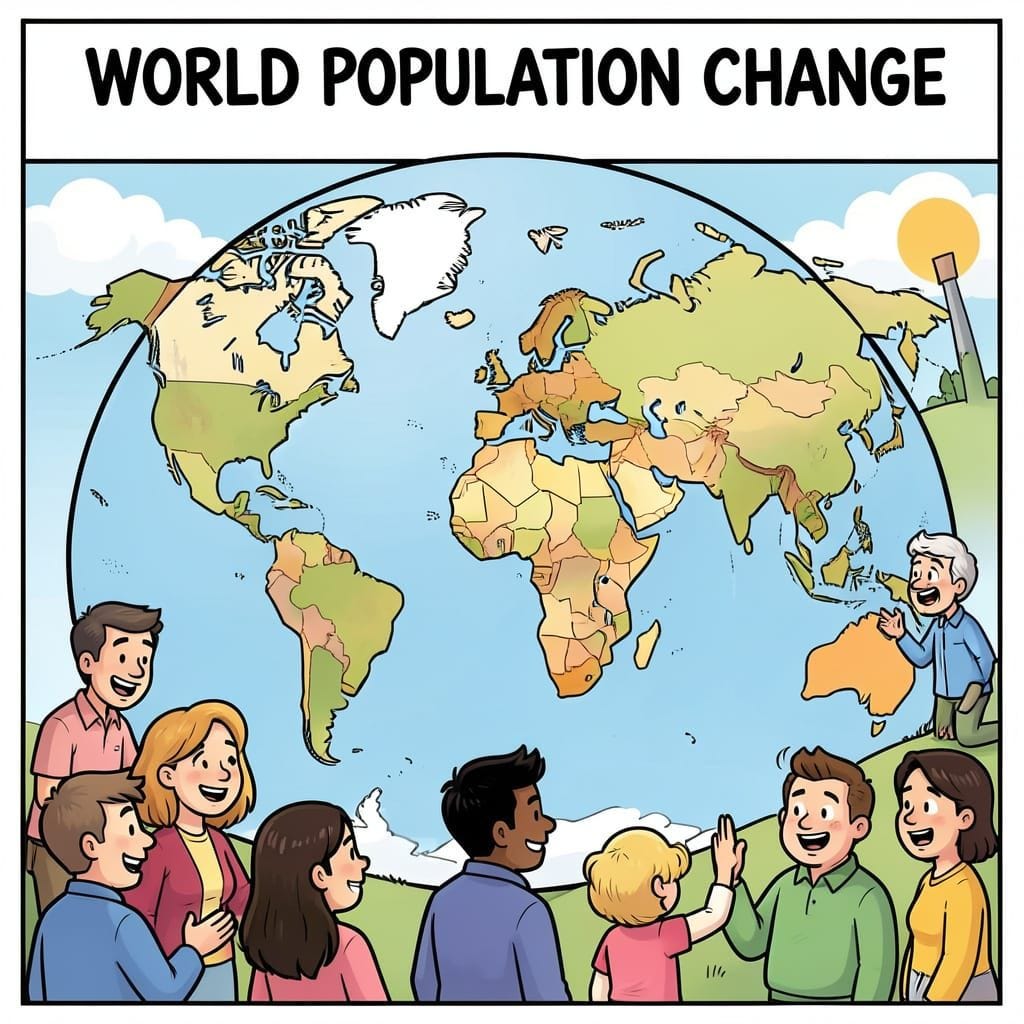
For much of recent history, people have equated population change with population growth. Over the last two centuries, global population has risen dramatically, with especially rapid growth between the 1950s and the late 20th century. However, this is only part of the story: some regions still grow quickly, others are close to zero growth, and several countries now face population decline.
Key terms
Population change – change in the size and structure of a population over time, due to births, deaths and migration.
Natural increase – the difference between the birth rate and the death rate (births minus deaths).
Fertility rate – the average number of children a woman is expected to have in her lifetime.
Demographic Transition Model (DTM) – a model showing how birth and death rates change as a country develops economically over time.
Malthus and Early Population Theory
In 1798, Thomas Robert Malthus published An Essay on the Principle of Population, a key starting point for modern debates about population and resources. Malthus argued that population tends to grow geometrically (rapidly, like doubling), while food supply increases only arithmetically (more slowly), so unchecked population growth would eventually outstrip food production.
He suggested there were two types of checks on population:
Positive checks – war, famine and disease, which increase death rates.
Preventive checks – measures such as delayed marriage, moral restraint and limiting family size to reduce birth rates.
Malthus wrote at a time when Britain was shifting from an agricultural to an industrial economy, with limited technology and frequent food shortages. He could not foresee later advances such as mechanisation, fertilisers and the Green Revolution, which allowed food output in many countries to grow faster than he predicted.
“The world’s population growth is slowing, but absolute numbers continue to rise, and pressures on land, water and ecosystems are intensifying.”
(Adapted from UN World Population Prospects 2022)
Global Population Trends Since 1800
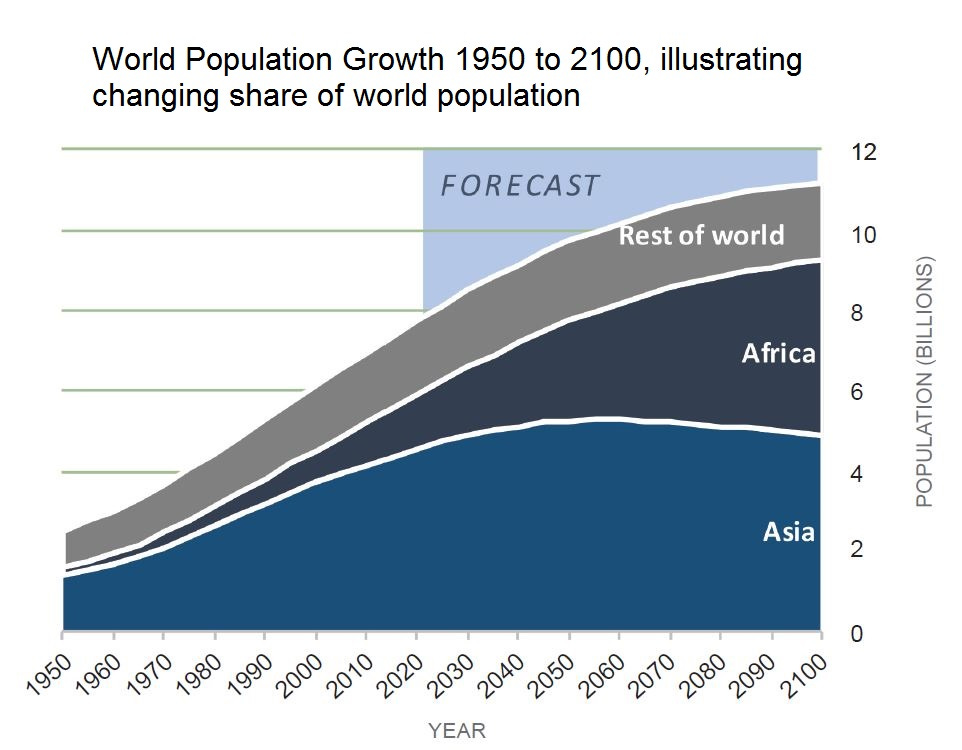
The world’s population reached about 1 billion around 1800 and then accelerated sharply during the 20th century. Key milestones include roughly 2 billion by 1930, 3 billion by 1960, 4 billion by the mid‑1970s, and 7.7 billion around 2020. The UN estimates that the global population passed 8 billion in 2022, and could reach about 9.7 billion in 2050 and around 10.4 billion by 2100.
Growth rates, not just numbers
The global growth rate peaked at about 2.2–2.3% per year in the early 1960s.
It has since fallen to about 0.9% per year, but the total population still increases by tens of millions annually.
Falling death rates, due to improved medicine, sanitation and food supply, have been the main driver of this rapid growth, rather than higher birth rates.
This slowing growth rate can be misleading: a lower percentage growth can still mean a large absolute increase when the base population is very large.
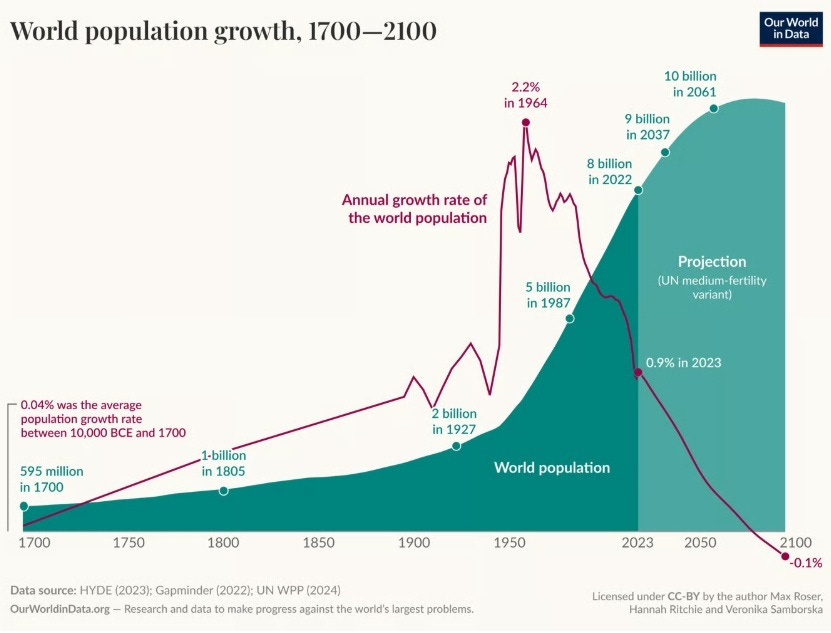
The world has now passed the peak rate of growth, and the period between each billion increase is expected to continue rising. It’s estimated to take approximately until 2037 to reach nine billion and until 2060 to reach 10 billion.
Uneven Growth: Regions and Development
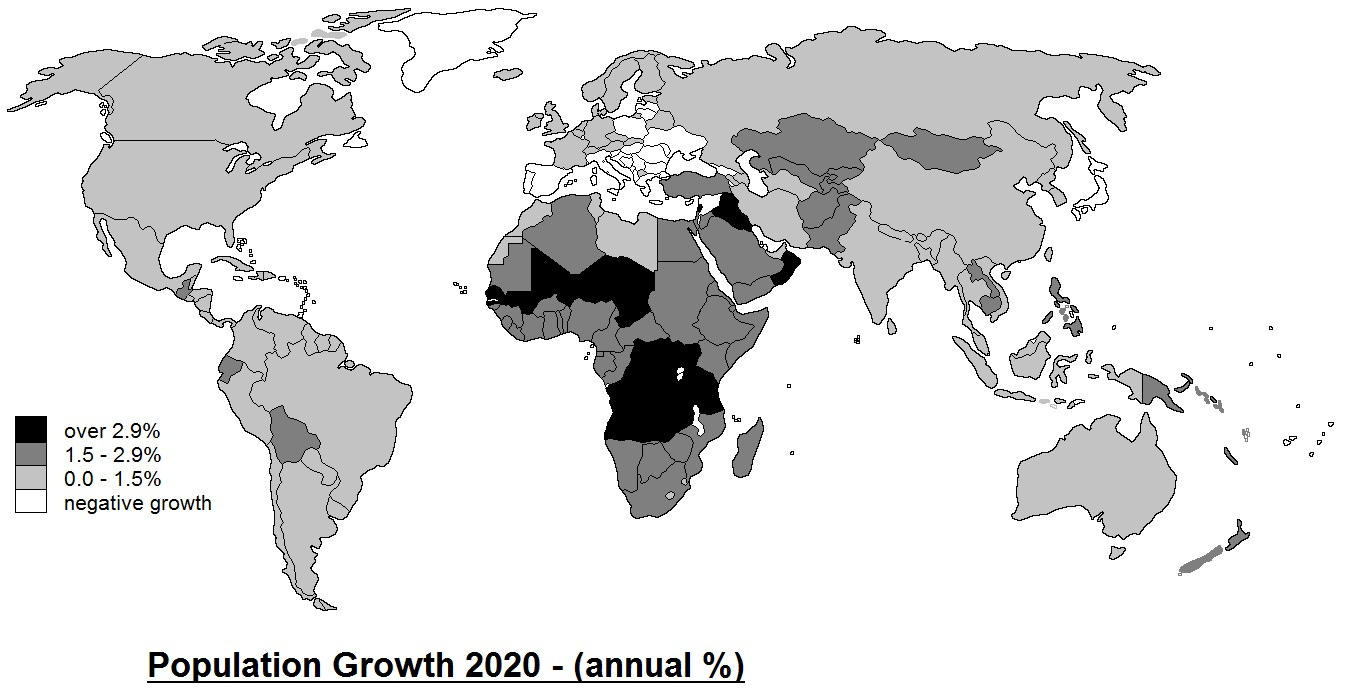
Population growth has not been evenly spread across the world. High‑income regions such as Europe and North America experienced their fastest growth in the 19th and early 20th centuries and now have low or even negative natural increase. In contrast, many low‑income countries in sub‑Saharan Africa and parts of the Middle East still have high birth rates and rapidly growing populations.
Example: India and life expectancy
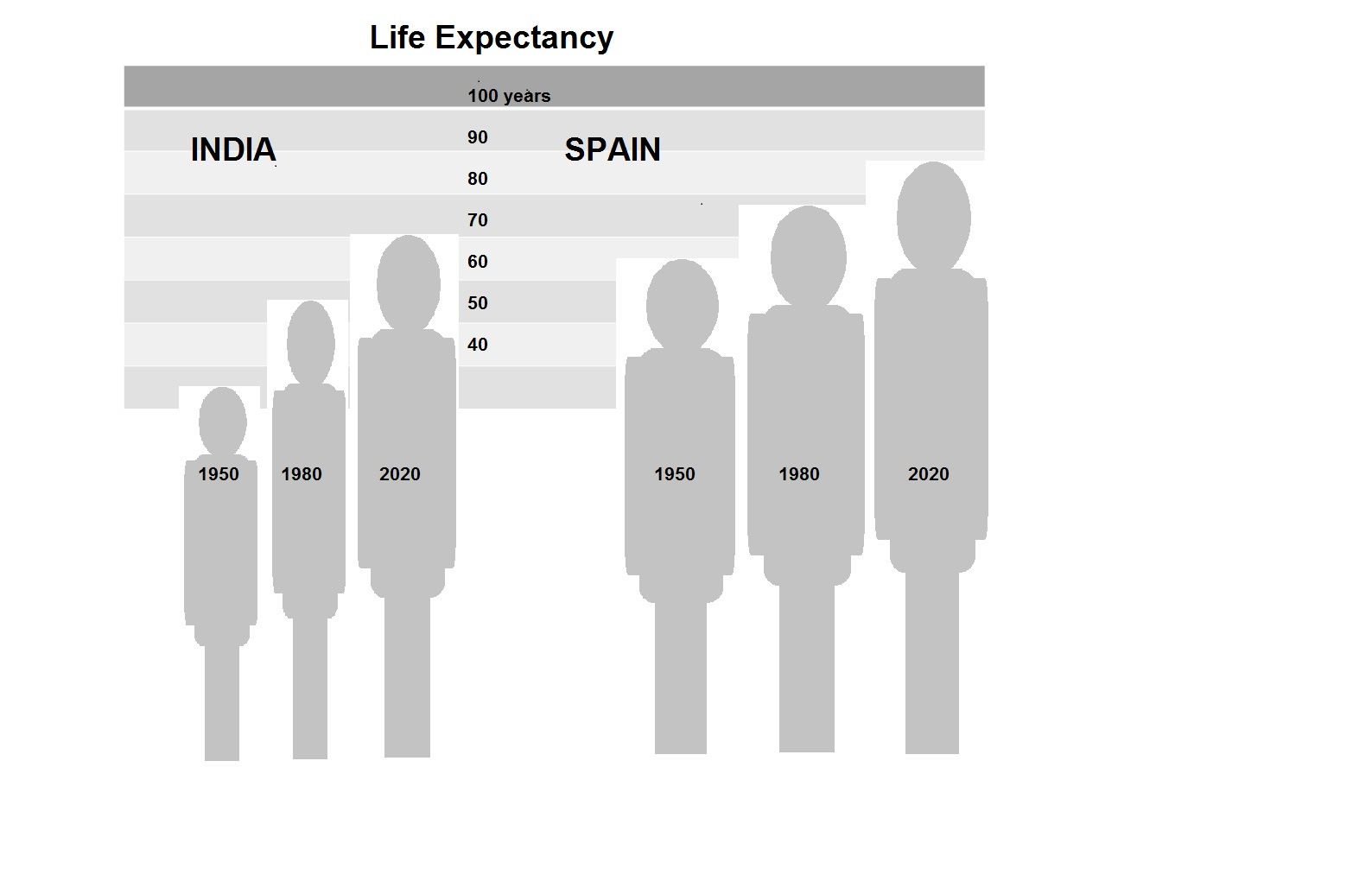
In India, life expectancy at birth rose from about 39 years in the mid‑1950s to over 70 years by 2020, largely due to improvements in healthcare, nutrition and sanitation. Similar gains in Europe took more than a century, highlighting how quickly mortality has fallen in some developing countries.
Shifting global distribution
Around 80% of the increase in world population over recent decades has occurred in less developed regions, and around 95% of near‑future growth is projected to occur there.
Sub‑Saharan Africa is expected to account for a large share of global population growth this century, with countries such as Nigeria projected to become some of the most populous in the world by 2100.
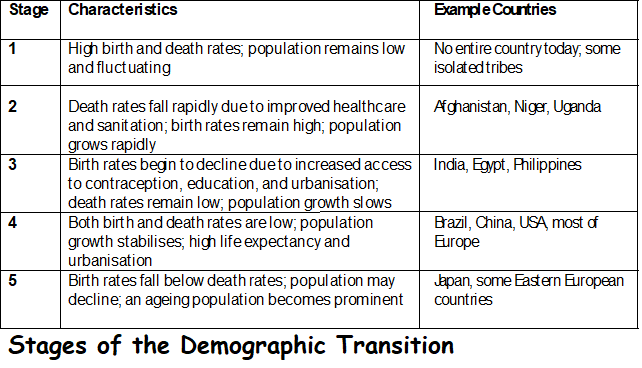
These contrasting trends reflect different positions on the Demographic Transition Model: many high‑income countries are in later stages with low fertility and ageing populations, while many low‑income countries are in earlier stages, with high fertility but falling death rates.
Population Momentum, Resources and Sustainability
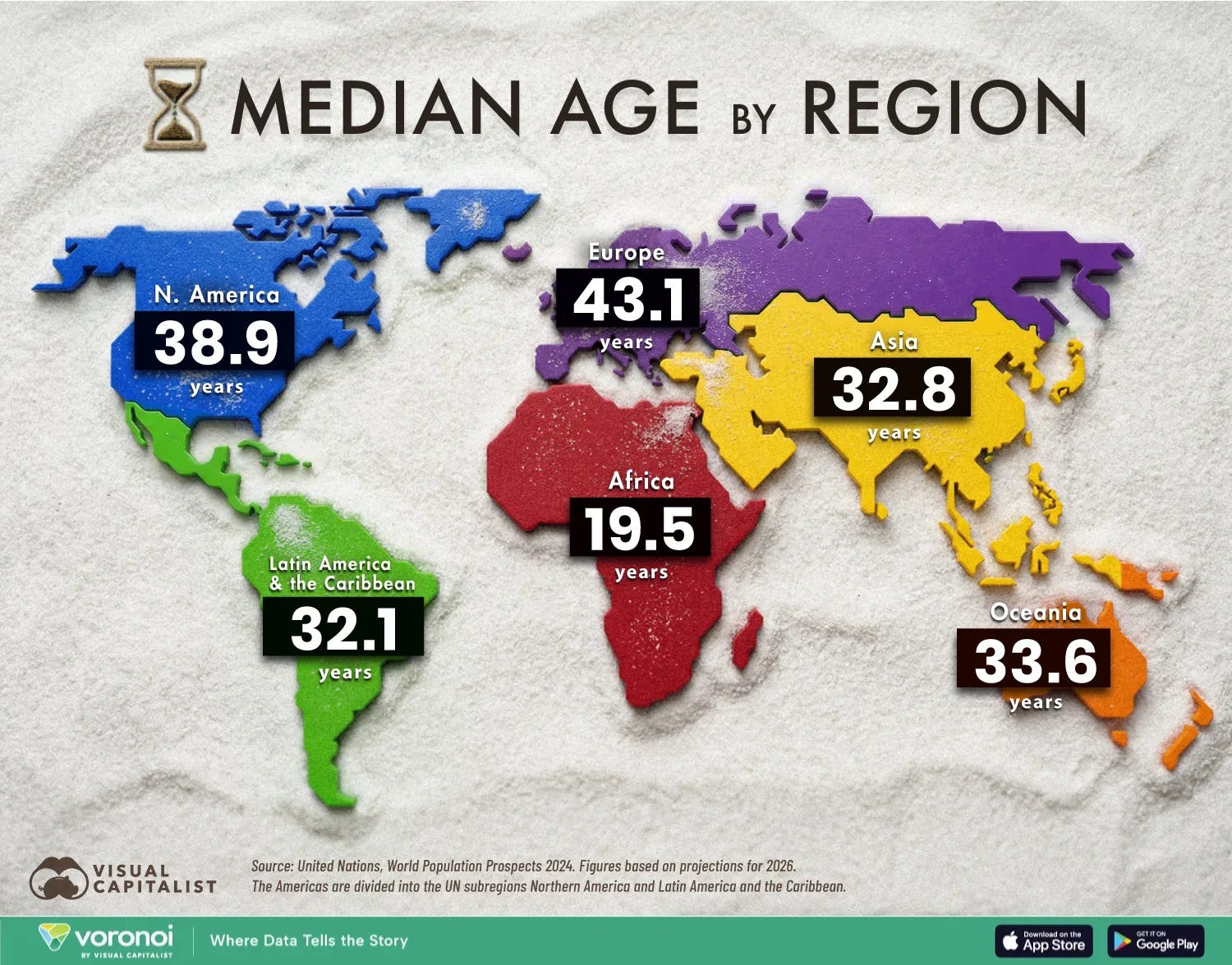
Even as fertility rates fall, global population will continue to grow for several decades because of population momentum. A large share of the world’s population is currently under 15, especially in the least developed countries, so even smaller families among this group will add to total numbers as they move into their child‑bearing years.
At the same time, rising incomes and urbanisation mean that the average person uses more energy, materials and land than in the past. UN and international resource panel reports suggest that global material use has more than tripled since 1970 and could increase by around 60% by 2060 without changes in consumption and efficiency. This intensifies pressures on ecosystems, contributes to climate change, and raises questions about the long‑term sustainability of current patterns of growth.
Naturalist Sir David Attenborough has argued that environmental problems become easier to solve with fewer people, and harder with more, emphasising the link between population size and environmental impact. For geographers, understanding how population dynamics interact with technology, consumption and policy is central to debates about sustainable development.
Exam‑style questions
1. Short‑answer questions (3–5 marks)
a) Define natural increase and explain briefly how it contributes to population change.
b) Outline two reasons why death rates have fallen more quickly than birth rates in many countries since 1950.
c) Explain what is meant by population momentum and give one reason why it makes population difficult to stabilise in the short term.
d) State one criticism of Malthus’s view of population and resources, giving an example to support your answer.
2. Data‑response questions (6–10 marks)
e) A graph shows the global population growth rate peaking at about 2.2% in the early 1960s and falling to around 0.9% by 2020, while total population continues to rise.
Describe the main changes in the growth rate over time (4 marks).
Explain why a falling growth rate does not necessarily mean fewer people are added each year (4–6 marks).
f) Given natural increase rates of approximately 0% for a European country and 3% for a sub‑Saharan African country.
Describe two differences in demographic characteristics you would expect between these countries (4 marks).
Explain how these differences relate to their likely stages in the Demographic Transition Model (4–6 marks).
3. Structured / essay questions (10–20 marks)
g) “Malthus’s ideas were pessimistic and have been proved wrong by technological change.”
To what extent do you agree with this statement? In your answer, refer to both food production and population trends in at least two regions.
h) Assess the view that rapid population growth in low‑income countries is the main cause of global environmental problems. You should consider alternative causes as well as population numbers.
i) Using examples, evaluate the challenges and opportunities created by ageing populations in high‑income countries and youthful populations in low‑income countries.
References
Bashford, A. (2014). Global Population: History, Geopolitics, and Life on Earth. Columbia University Press.
Malthus, T. R. (1798). An Essay on the Principle of Population. London.
United Nations, Department of Economic and Social Affairs (UN DESA). (2022). World Population Prospects 2022.
United Nations Environment Programme (UNEP). (2020). Global Resources Outlook 2020.
Our World in Data (2024). Population Growth and Projections. University of Oxford.
Population and Migration Book
If you would like to support my resources scan the QR code below and Buy me a Coffee