
Understanding Earthquakes

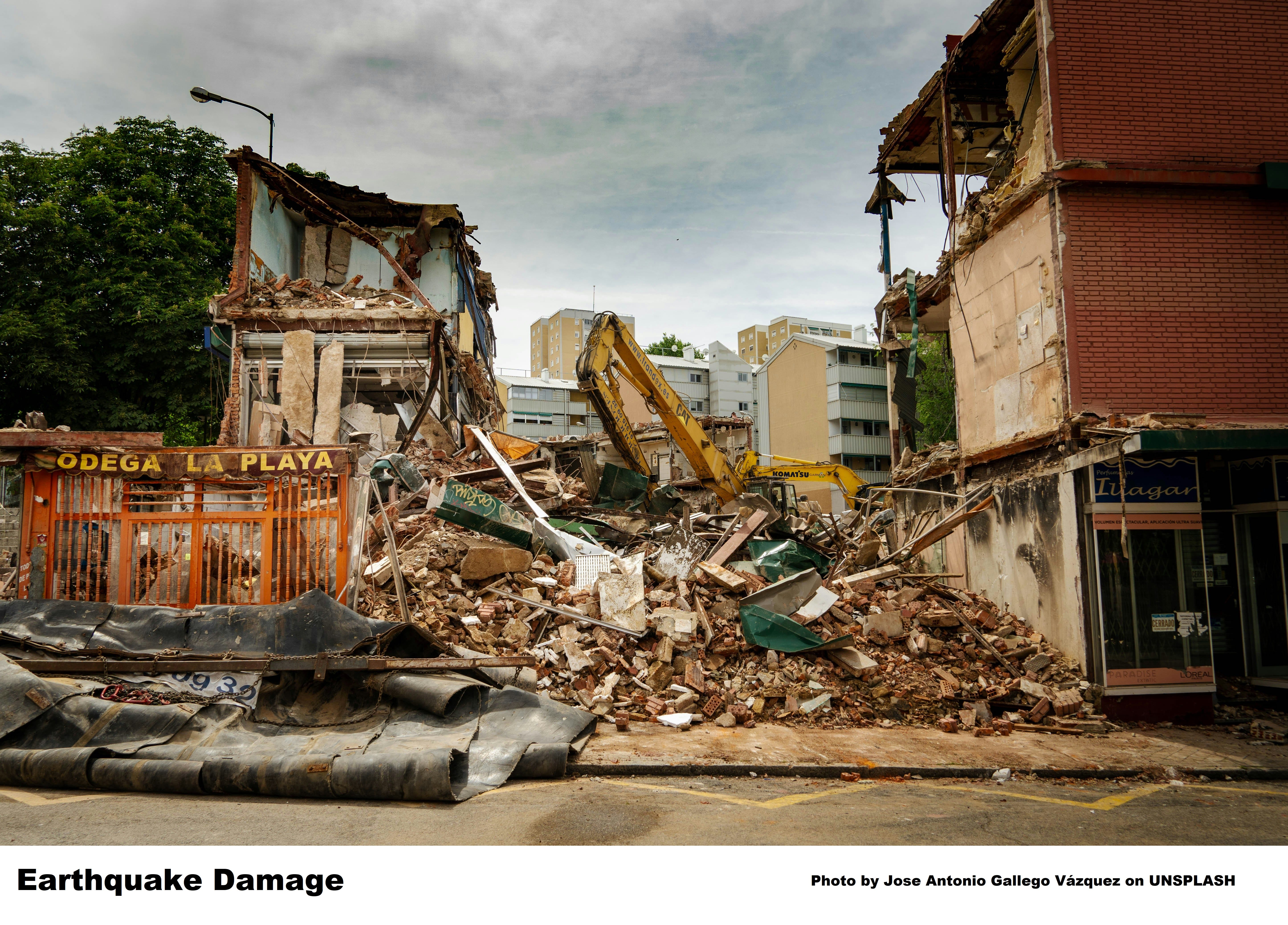
Earthquakes are one of nature’s most dramatic reminders that the Earth is alive. Beneath your feet, the solid ground you trust every day is actually sitting on moving tectonic plates. When stress suddenly becomes too great and a fault slips, the ground can shake violently—sometimes for only seconds, but with consequences that can last for years. Earthquakes don’t just destroy buildings; they also reshape landscapes, create new coastline features, open ground cracks, and build entire mountain ranges over long periods.
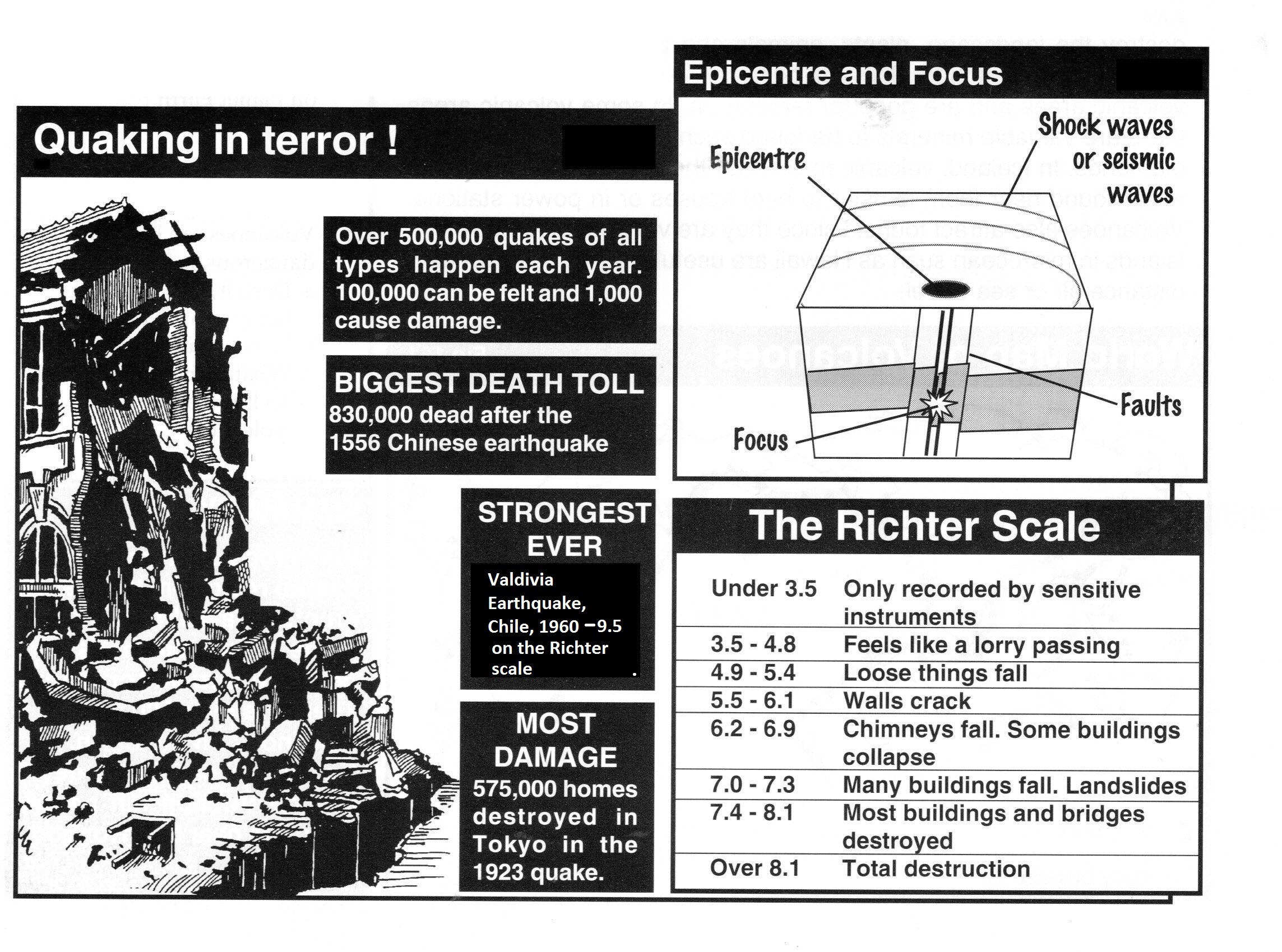
Italy—especially central Italy around the Apennine Mountains—is helping scientists study earthquakes in a uniquely powerful way. This region has one of the longest, most continuous historical records of earthquakes on Earth, stretching back nearly 700 years. That long timeline gives researchers a rare chance to connect “what happened in the past” with “what we can observe today,” pushing the frontier of how earthquakes work and how we might anticipate them.
The science behind earthquakes: what’s happening deep underground?
Let’s break earthquakes down into the key physical processes—like solving a mystery, except the clues are stored in rocks and waves.
1) Tectonic plates build stress over time
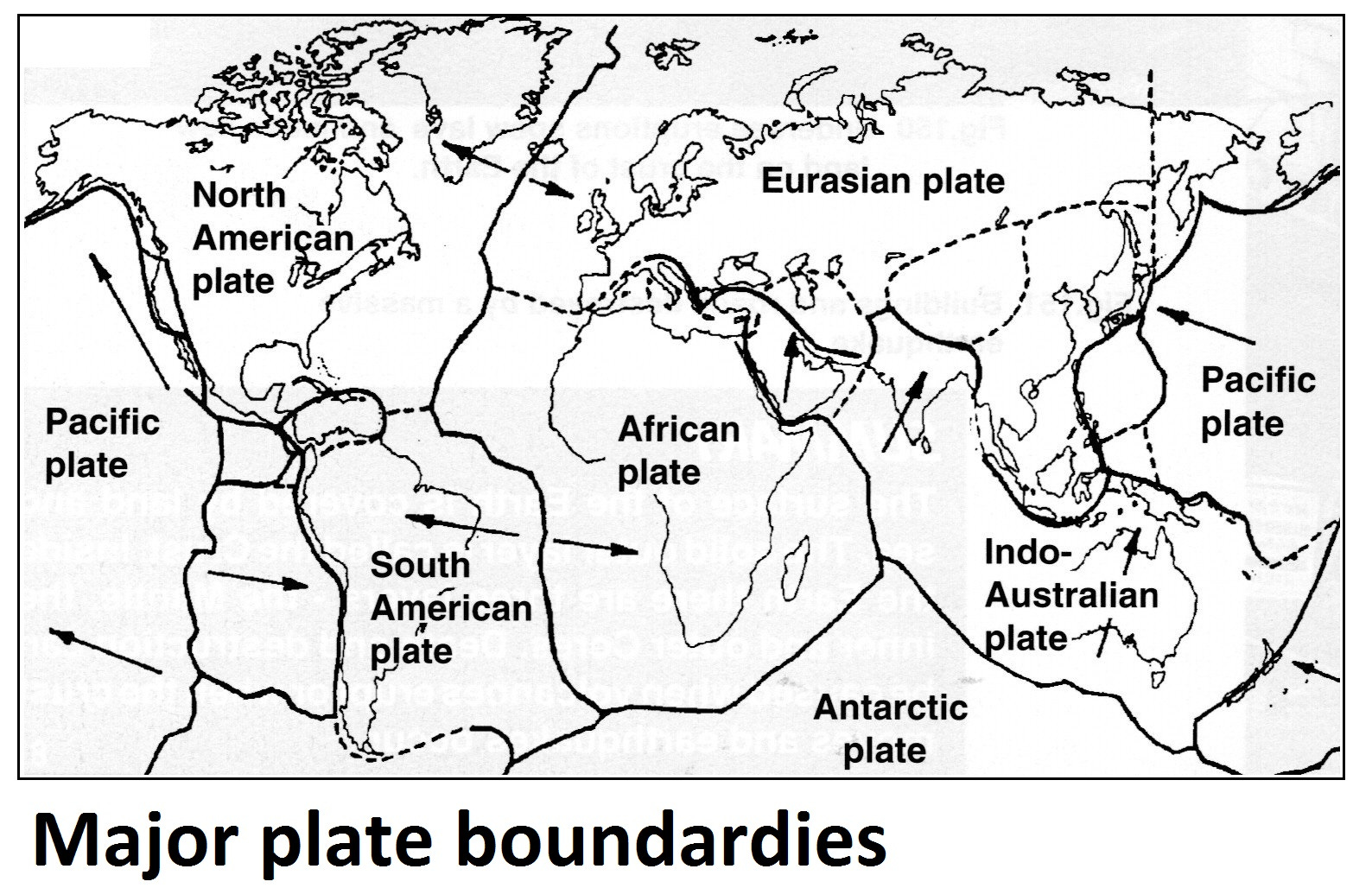
Earth’s outer shell is divided into huge moving pieces called tectonic plates. They move only a few centimetres per year—about as fast as fingernails grow. That sounds slow, but think about what happens over decades and centuries:
Plates push, collide, or drag past each other.
Along the boundaries between rock blocks, faults form.
In many places, faults are locked, meaning the rocks can’t slide smoothly.
Stress builds up year after year like a compressed spring.
Eventually, the fault reaches a breaking point.
2) A fault isn’t just a crack—it’s a whole zone of movement
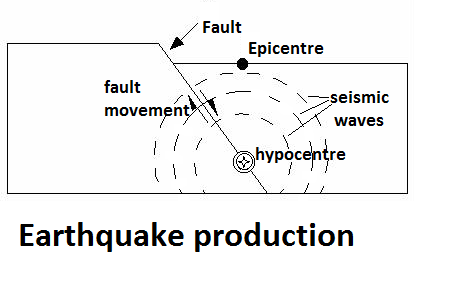
A fault is a surface (or zone) where rocks break and can slip. When earthquakes happen, the slip doesn’t start everywhere at once. It starts at a point deep underground, called the hypocentre (or focus), then spreads outward as the fault ruptures.
3) The rupture releases seismic waves
Once the fault slips, the stored energy doesn’t just vanish. It transforms into seismic waves, which travel through the Earth’s crust. These waves reach the surface and cause shaking—sometimes mild, sometimes catastrophic.
4) Rupture directivity: why some shaking feels worse than you’d expect
Not all earthquakes shake the same way in all directions. In many events, the rupture spreads through the fault and the wave energy can be focused toward certain areas. This is called the rupture directivity effect.
Imagine shouting across a field: if you shout while turning your body, your voice can “aim” more strongly in one direction. Similarly, earthquake rupture can “aim” damaging shaking toward specific towns.
5) The earthquake cycle: co-seismic, post-seismic, and inter-seismic
Earthquakes are not one-off events. They happen inside a repeating cycle:
Co-seismic: the main moment of rupture and the strongest shaking.
Post-seismic: after the main shock, the ground and fault system continue adjusting. Aftershocks often occur, and stress redistributes.
Inter-seismic: the long quiet period in between earthquakes, when stress starts building again for the next event.
This cycle is one reason earthquakes can keep communities on edge for months or even longer after the first big quake.
Central Italy: a real earthquake story with real numbers
To see how all this works in practice, let’s look at a major earthquake sequence in central Italy. The Apennine Mountains were shaped by repeated tectonic activity over millions of years, meaning that the landscape itself is partly the “record” of earthquake-driven deformation.
The 24 August 2016 earthquake (major quake)
On 24 August 2016 at 3:36 AM, a fault began to move at depth. The earthquake’s starting point—its hypocentre—was roughly 8 km below the epicentre on the surface. The rupture travelled through the Earth’s solid rock at extremely high speeds—over 3,100 m/s (more than 11,000 km/h).
In a few seconds, the rupture spread along a section of the fault about 25 km long and roughly 12 km deep. The fault slip—how much the two sides moved relative to each other—was up to about 1.3 m. That motion eventually reached the surface, where the ground was displaced by around half a metre, exposing a fresh, unweathered section of rock.
This is one of the frightening truths of earthquakes: the ground can shift like a giant broken conveyor belt, moving far more than you would ever expect from something that feels “solid.”
Where shaking was worst
The shaking was especially destructive near the towns of Amatrice, Accumoli, and Arquata del Tronto, close to the epicentre. Strong impacts were also felt around Castelluccio, located north-northwest of the epicentre.
Because the rupture spread in a particular direction, the damaging waves arrived with extra intensity in places aligned with the rupture directivity pattern. In other words, two locations at similar distances might not experience the same level of devastation.
Aftershocks and the ripple effect (30 October 2016 and beyond)
Earthquakes don’t just “happen once.” Two months later, on 30 October 2016, the fault moved again in a larger event. After that, many smaller earthquakes—aftershocks—continued for over a year.
For the people living there, this meant uncertainty and fear became part of everyday life. For rescue teams, aftershocks created serious hazards for buildings, roads, and emergency access—because even when the biggest quake has passed, the ground may still be unstable.
Eventually, the fault settled into a quieter phase, but stress didn’t disappear. In the inter-seismic stage, stress begins building again, setting the stage for a future earthquake that could occur in the next decades, centuries, or even longer.
Earthquakes happen at different tectonic settings, so they vary a lot
Earthquakes are linked to plate tectonics, but the type of plate boundary affects earthquake depth, energy, and how the shaking feels.
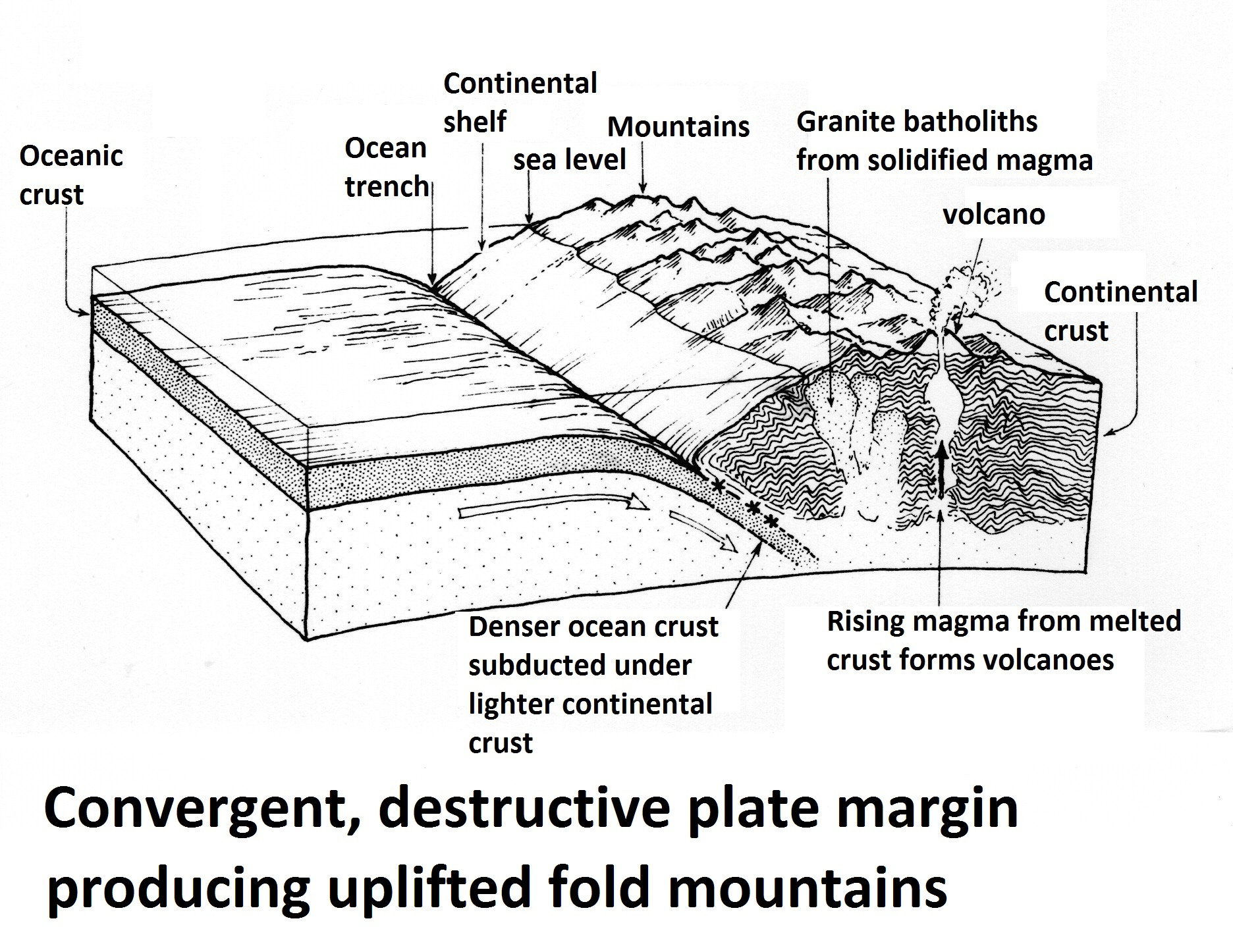
Convergent boundaries (colliding plates): deep and powerful
Where one plate is forced under another (subduction), earthquakes can be extremely powerful and can occur from near the surface down to depths of roughly 700 km. These deeper quakes happen along a sloping structure known as the Benioff Zone.
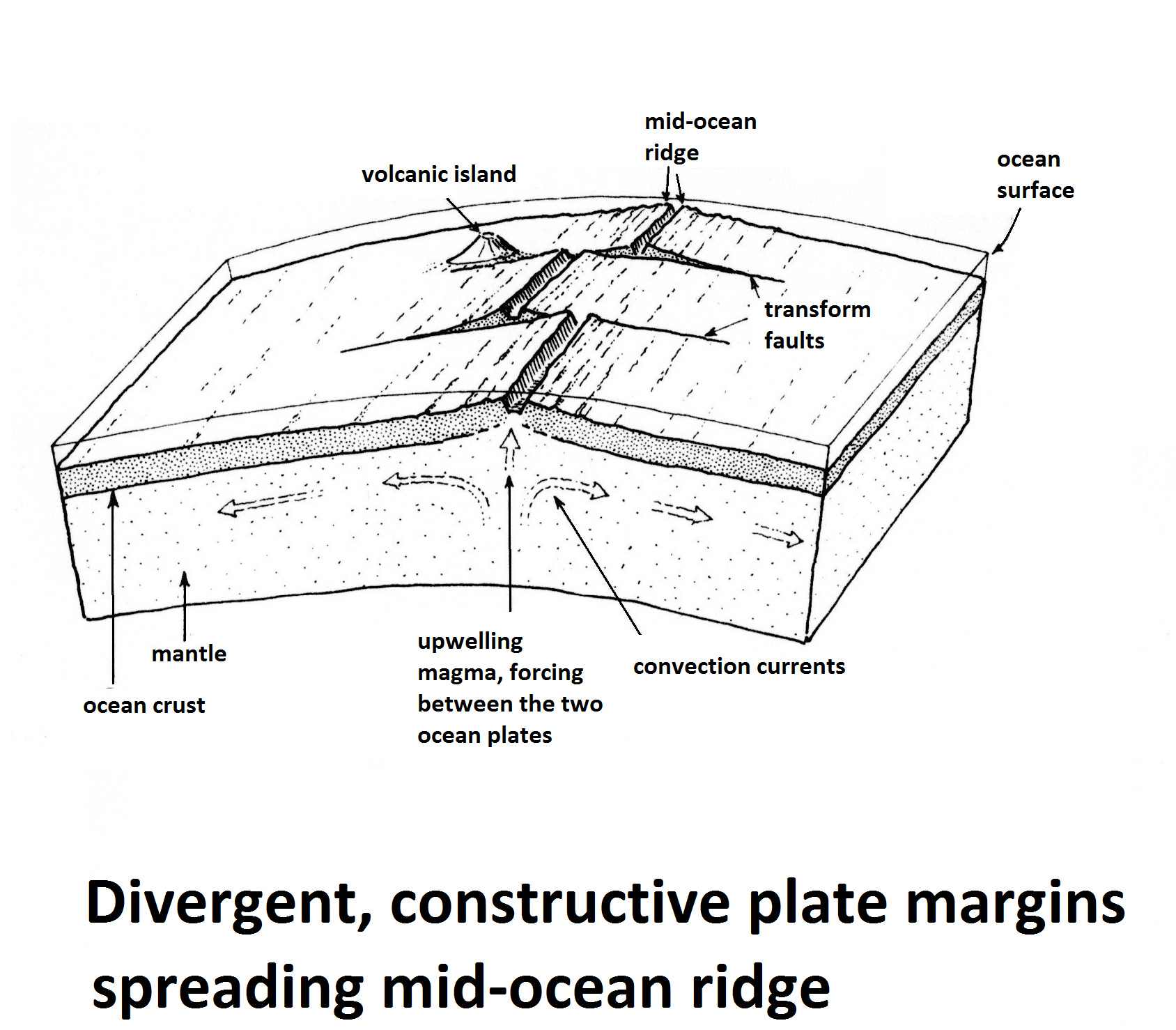
Divergent boundaries (plates moving apart): usually less intense
At mid-ocean ridges and other spreading boundaries, lower stresses tend to produce smaller earthquakes, often at depths of roughly 6–15 km.
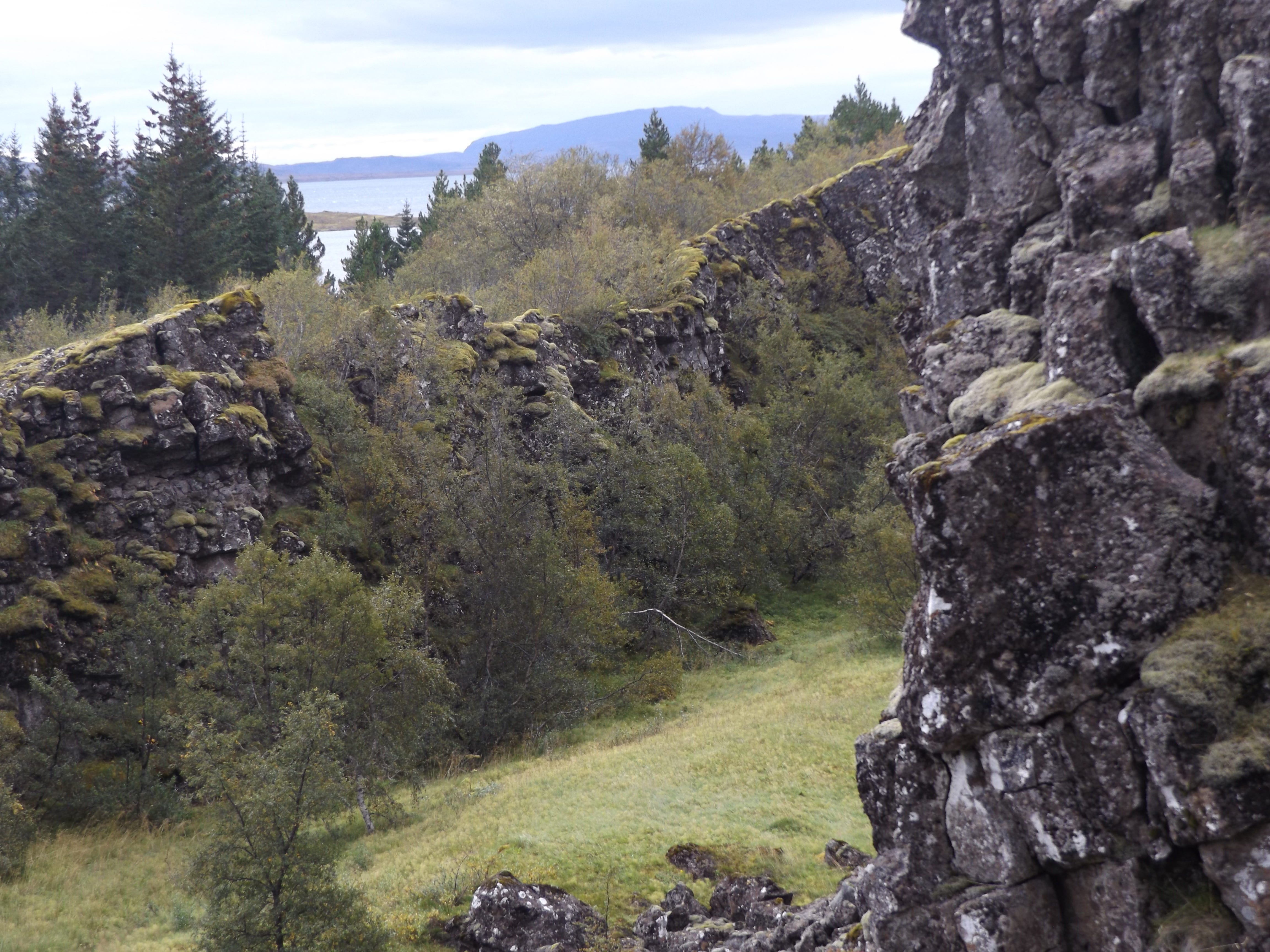
Almannagja Gorge (Iceland) a major tectonic rift formed along the Mid‑Atlantic Ridge
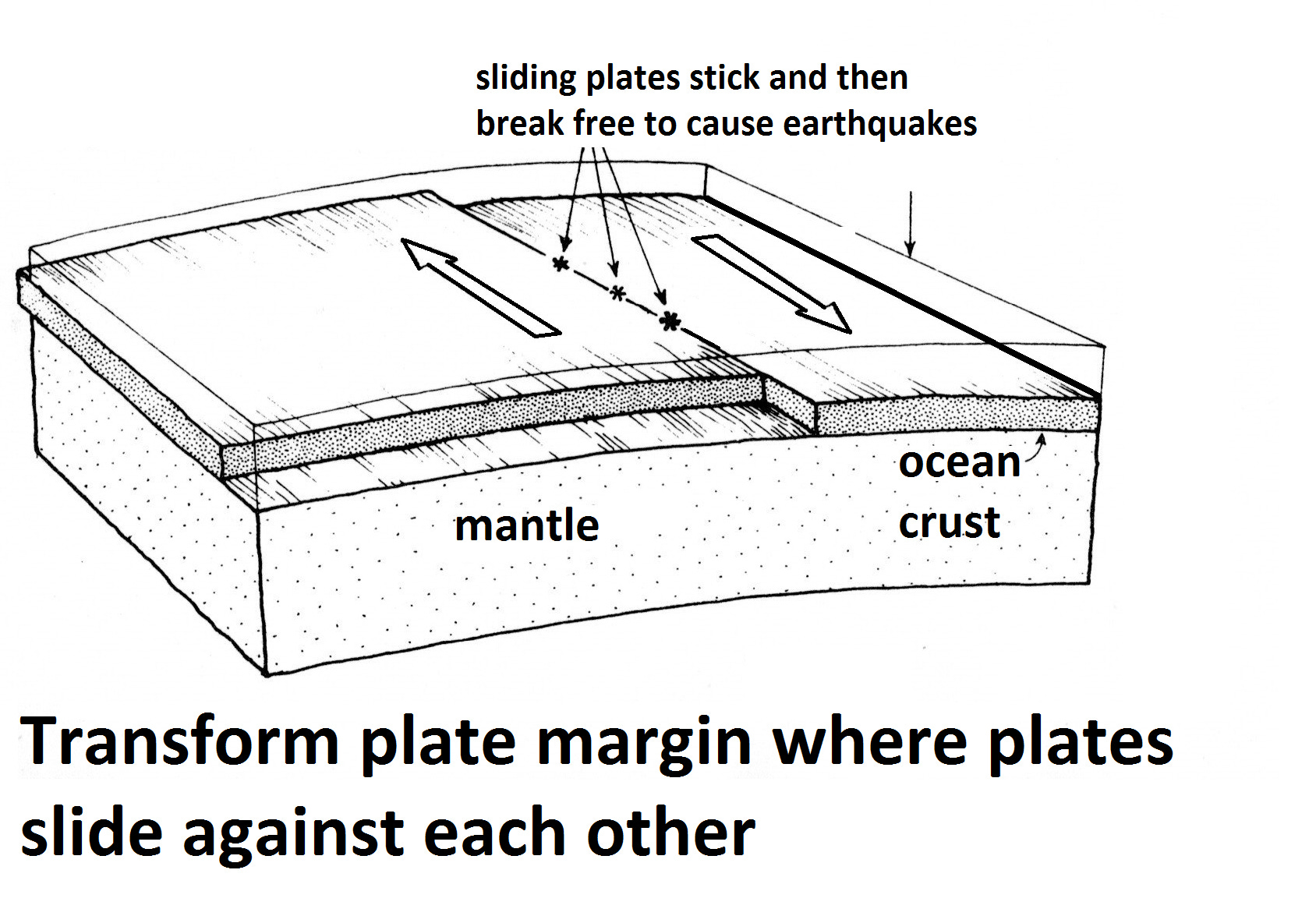
Transform boundaries (plates sliding past): strong shallow shaking
When plates slide past each other, earthquakes are often powerful and usually occur at relatively shallow depths (often less than 15 km). This can produce intense ground shaking—one reason faults like the San Andreas can be so dangerous.
Intraplate earthquakes: faults “inside” plates
Not every earthquake happens exactly at a plate boundary. In places like the UK, small tremors can occur because ancient faults deep in the crust can be reactivated by stresses transmitted from far away, or due to isostatic rebound (land rising after ice melts). Even if these earthquakes are smaller, they still show that stress and faults can exist almost anywhere.
Why understanding earthquakes matters
Scientists can’t prevent tectonic stress from building, but understanding earthquake processes is a crucial step toward:
better hazard prediction,
improved building and planning decisions,
faster, safer emergency response,
and ultimately reducing risk for communities.
Earthquakes will continue to happen—because Earth’s plates will continue to move. But the more we understand how ruptures start, how waves spread, and how the earthquake cycle works, the better prepared we can be.
Examination-Style Questions
Key definitions / short answers (1–3 marks)
Define tectonic plate and fault.
What is the difference between an epicentre and a hypocentre (focus)?
What are seismic waves, and what do they do?
Describe what is meant by the earthquake cycle. Name its three stages.
What is the Benioff Zone?
Explain / reasoning (4–6 marks)
Explain how tectonic plate movement builds up stress along faults.
Why are many faults described as being “locked” before an earthquake?
Explain how the length of rupture and the amount of fault slip influence earthquake magnitude.
Explain the rupture directivity effect and why it can cause damaging shaking in some places more than others.
Explain why aftershocks can continue for months after a major earthquake.
Compare and contrast (6–8 marks)
Compare earthquakes at:
convergent boundaries
divergent boundaries
transform boundaries
In your answer, include differences in earthquake depth and likely shaking impact.
Compare inter-seismic and co-seismic phases. What is happening to stress during each stage?
Compare interplate (intraplate) earthquakes with plate-boundary earthquakes. Why might both still occur?
Case study / apply knowledge (8–12 marks)
Using an example from central Italy (Apennines), describe how scientists link:
tectonic plate motion,
fault rupture,
seismic waves,
and observed shaking/disruption
to understand earthquake processes.
A town lies at a similar distance from an earthquake to another town, but it experiences much worse damage.
Explain at least three reasons why this might happen (include rupture directivity in your answer).
Data / diagram-based questions (often 8–12 marks)
Draw a simplified cross-section showing a dipping fault plane and earthquakes scattered along it.
a) Identify the likely tectonic setting.
b) Mark/label where the hypocentre and epicentre would be.
c) Explain what the pattern of earthquake depths tells you.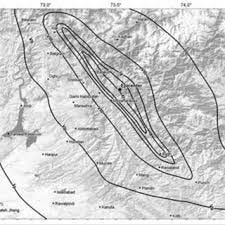
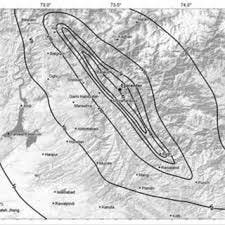
A diagram shows a fault rupture spreading in one direction along the fault plane.
a) Explain what “directivity” means in this context.
b) Predict which side of the rupture will likely experience stronger shaking and why.
Evaluation / “how useful is this?” (10–15 marks)
Assess how historical records (e.g., centuries of earthquake evidence in Italy) help scientists forecast and prepare.
Include both benefits and limitations.Evaluate the statement:
“Earthquakes can never be predicted—only responded to.”
Use the earthquake cycle and fault-stress concepts to support your judgement.
Reference
What are earthquakes and why do they occur?
FREE Physical Geography resources and Questions
Physical Geography Book

If you would like to support my resources scan the QR code below and Buy me a Coffee