
Rural Geography
Types of farming

Rural Geography: Updated Overview
Rural geography is a dynamic field that explores the spatial, social, economic, and environmental dimensions of rural areas, with a particular focus on agricultural production and rural livelihoods in diverse settings. Defining 'rural' remains complex, as many regions that appear rural may function as extensions of urban settlements, blurring the distinction between rural and urban spaces. A practical definition is that rural areas are less densely populated regions where the landscape shows evidence of recent agricultural activity.
Scope and Evolution of Rural Geography
Modern rural geography examines not only traditional agricultural practices but also the impacts of globalisation, technological innovation, rural-urban migration, and environmental change. Research increasingly addresses the spatial patterns of rural settlements, the restructuring of rural economies, and the sustainability of rural communities in the face of urbanisation and climate change. Recent studies highlight the importance of interdisciplinary approaches, integrating perspectives from sociology, ecology, urban planning, and environmental science to understand rural transformation.
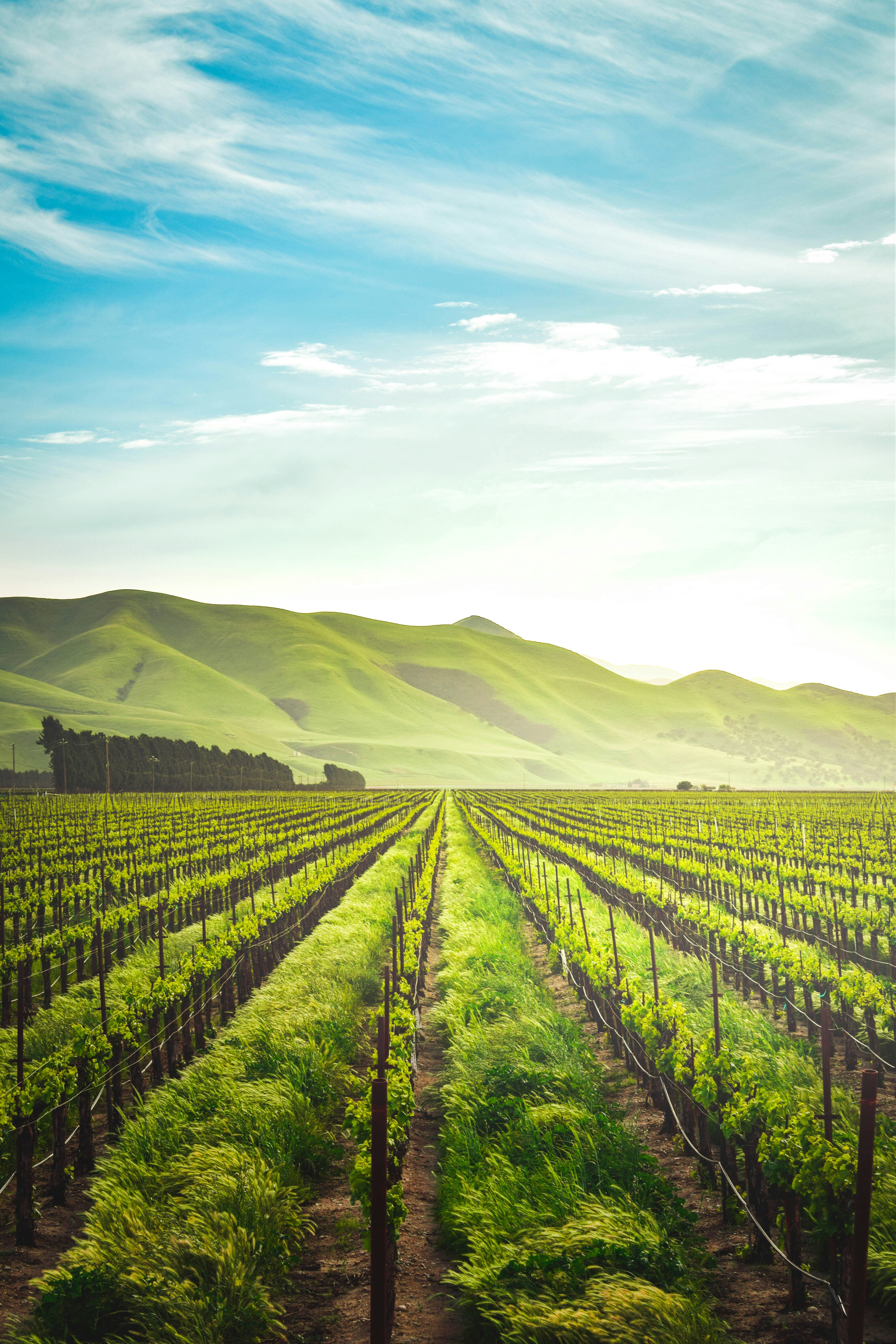
Classification of Agricultural Systems
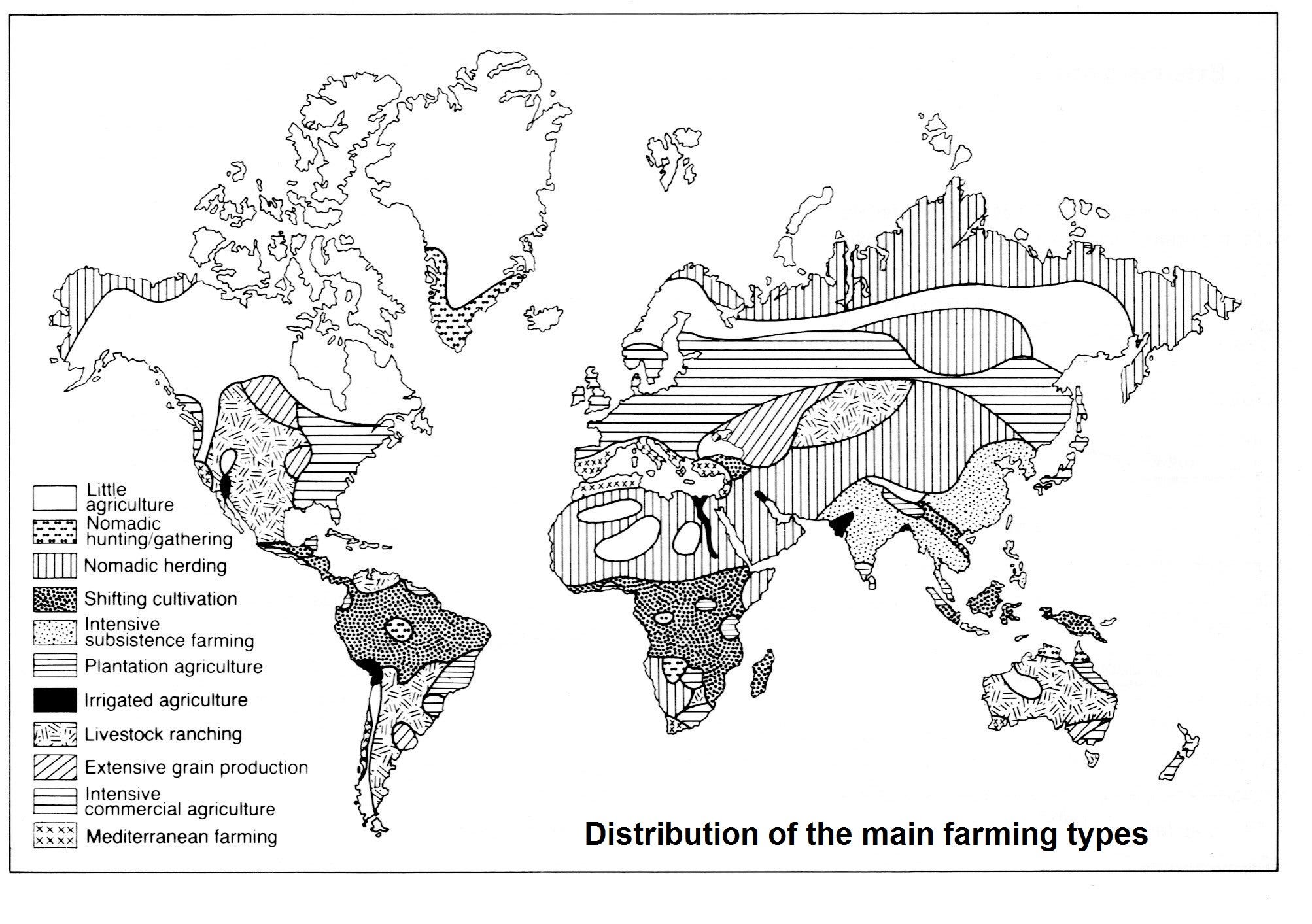
Agriculture can be classified in multiple ways, reflecting variations in climate, technology, social organisation, and economic objectives. The main types of agricultural systems include:
Nomadic Hunting/Gathering: No crops or livestock; survival depends on hunting and foraging. This system is now rare and threatened by external influences.
Nomadic Pastoralism: Herding animals in search of pasture, typically in arid or cold environments; movement is dictated by seasonal changes.
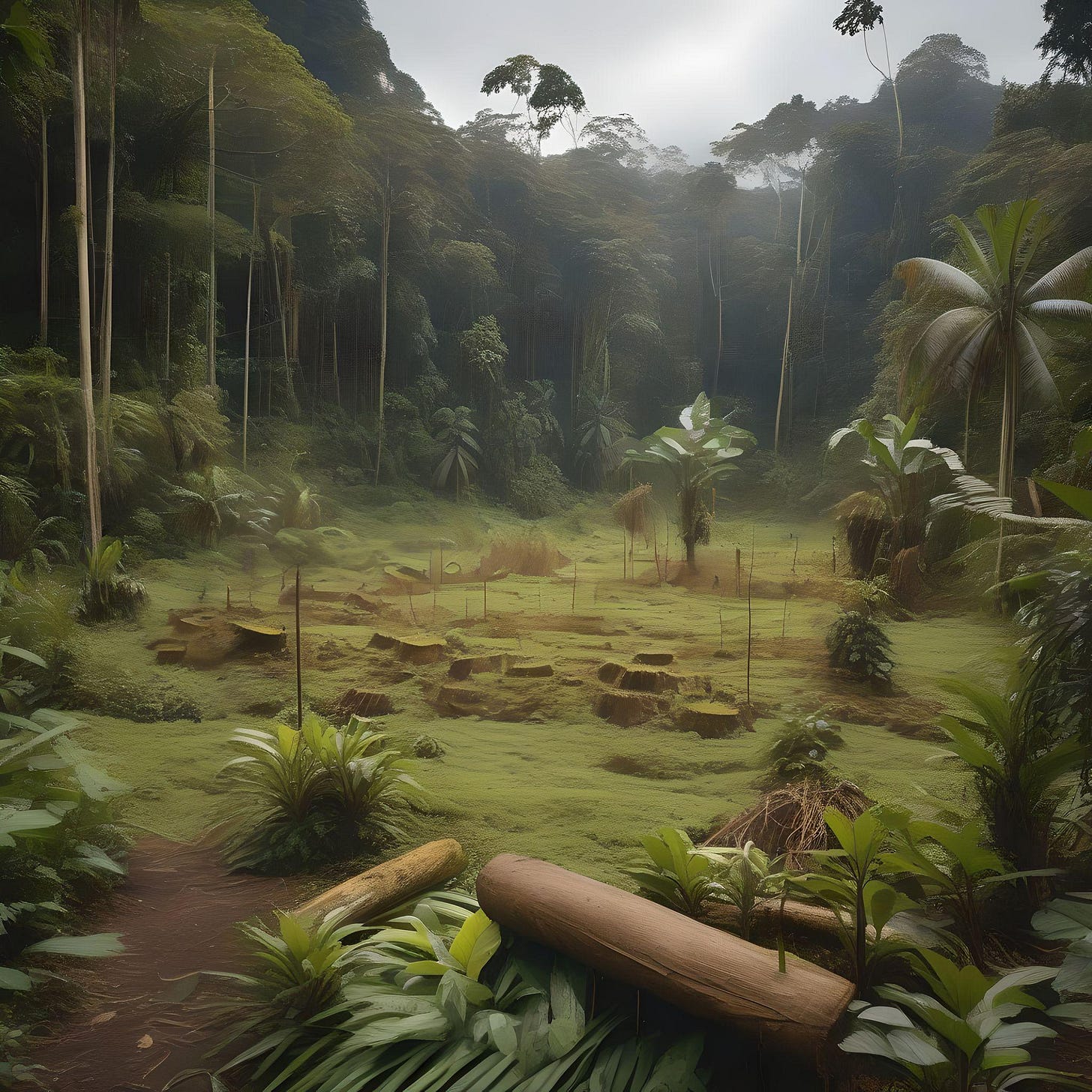
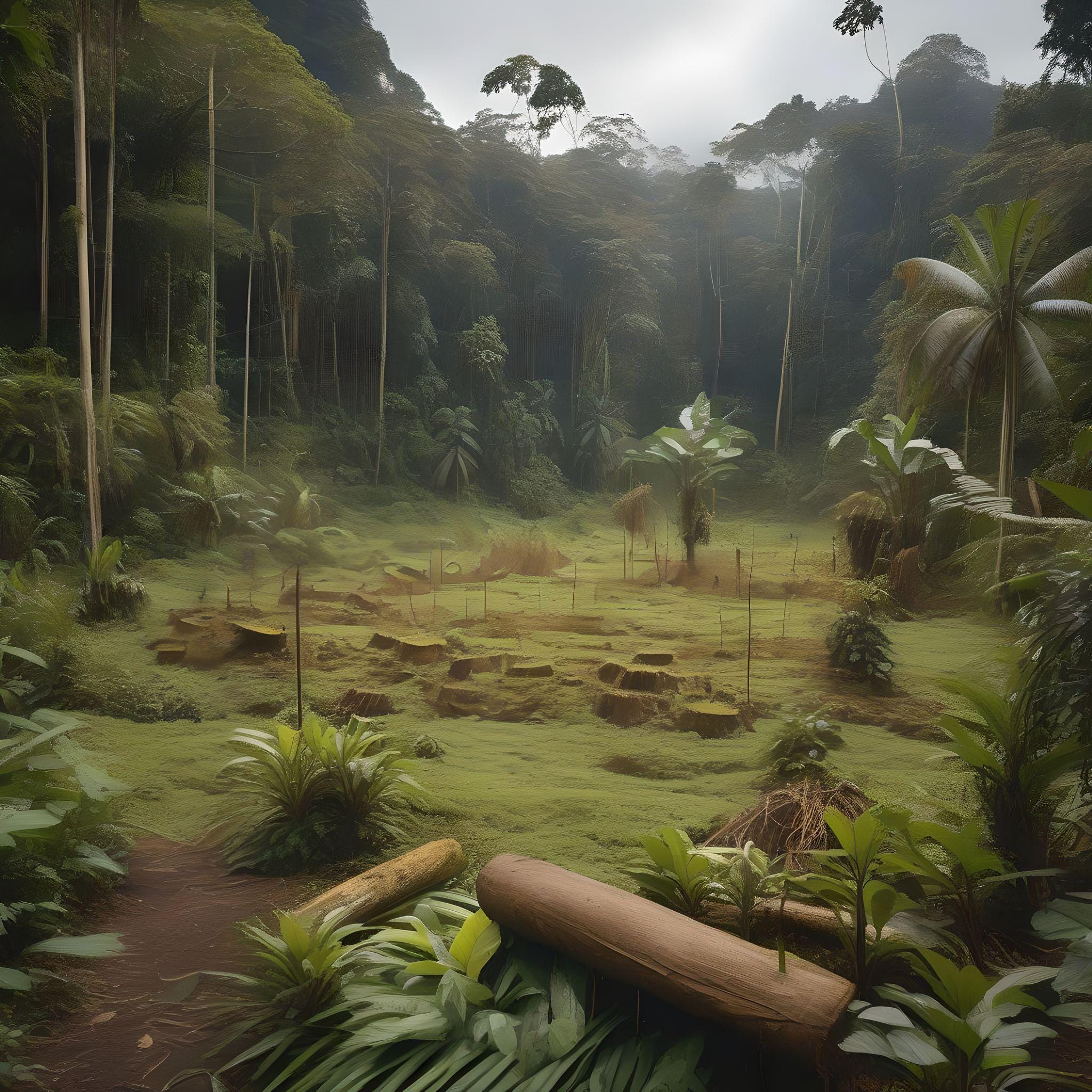
Shifting Cultivation: Practiced mainly in tropical rainforests, involving clearing small plots, growing crops for a few years, and then moving to new land as soil fertility declines.
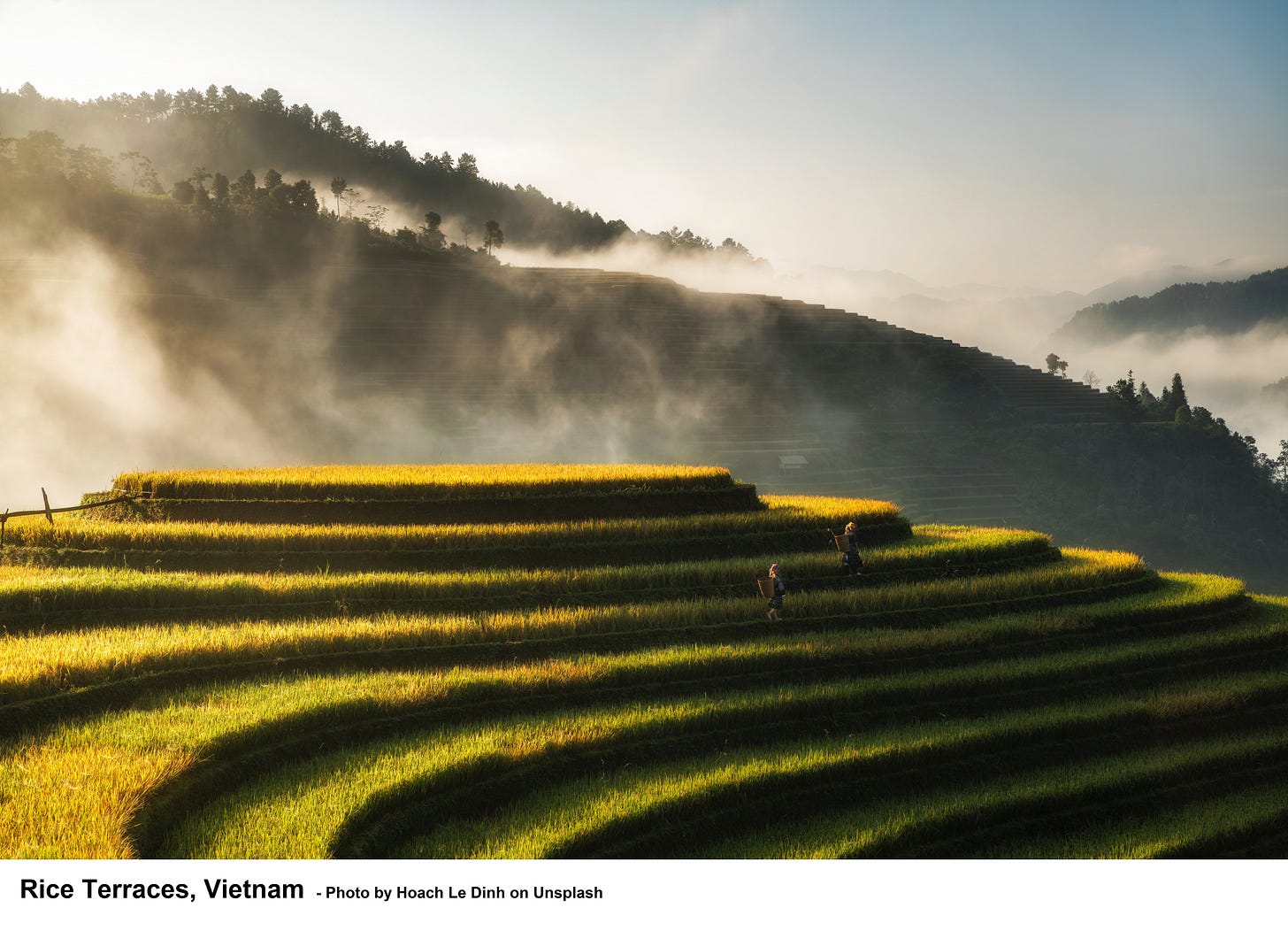
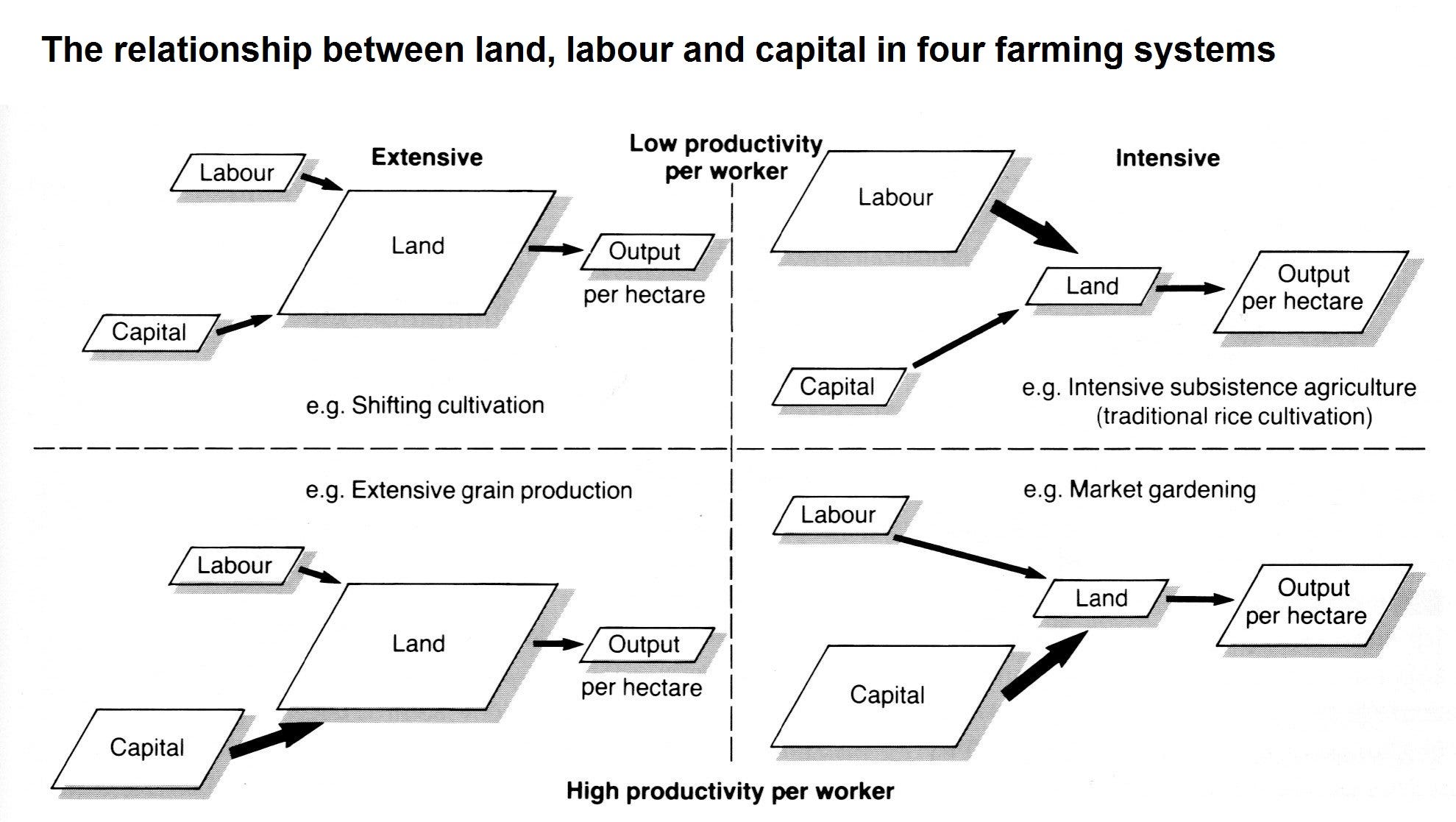
Intensive Subsistence Farming: Small-scale, labor-intensive farming, often producing rice or other staples, common in Asia; high population densities and small holdings are typical.
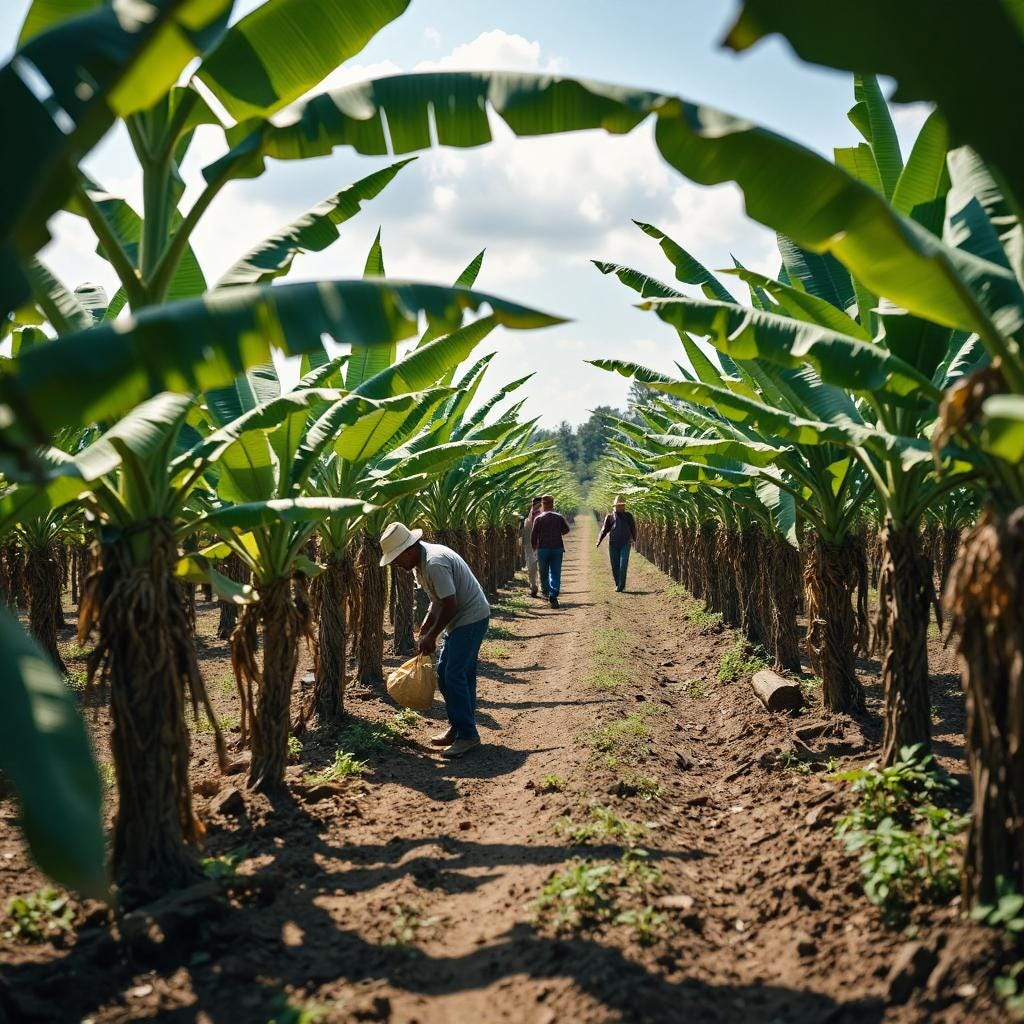
Plantation Agriculture: Large-scale, single-crop farming in tropical regions, often owned by corporations or states, producing crops like cocoa, oil palm, and tea.
Irrigated Agriculture: Use of artificial water supply to grow crops where precipitation is insufficient, with significant environmental impacts.
Livestock Ranching (Extensive Commercial): Large-scale animal rearing in areas with limited alternative land uses, such as the Pampas of Argentina or the Great Plains of the USA.
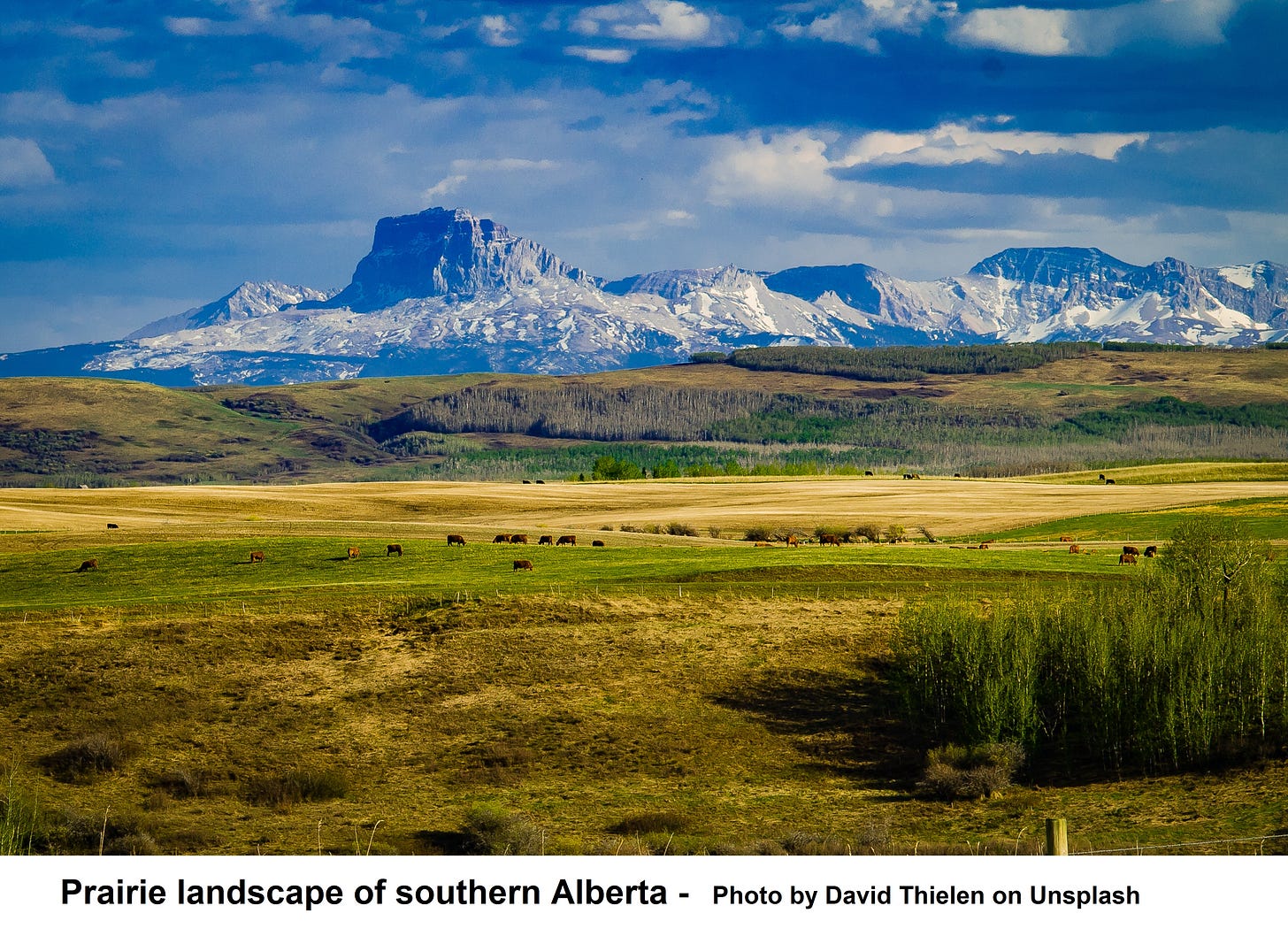
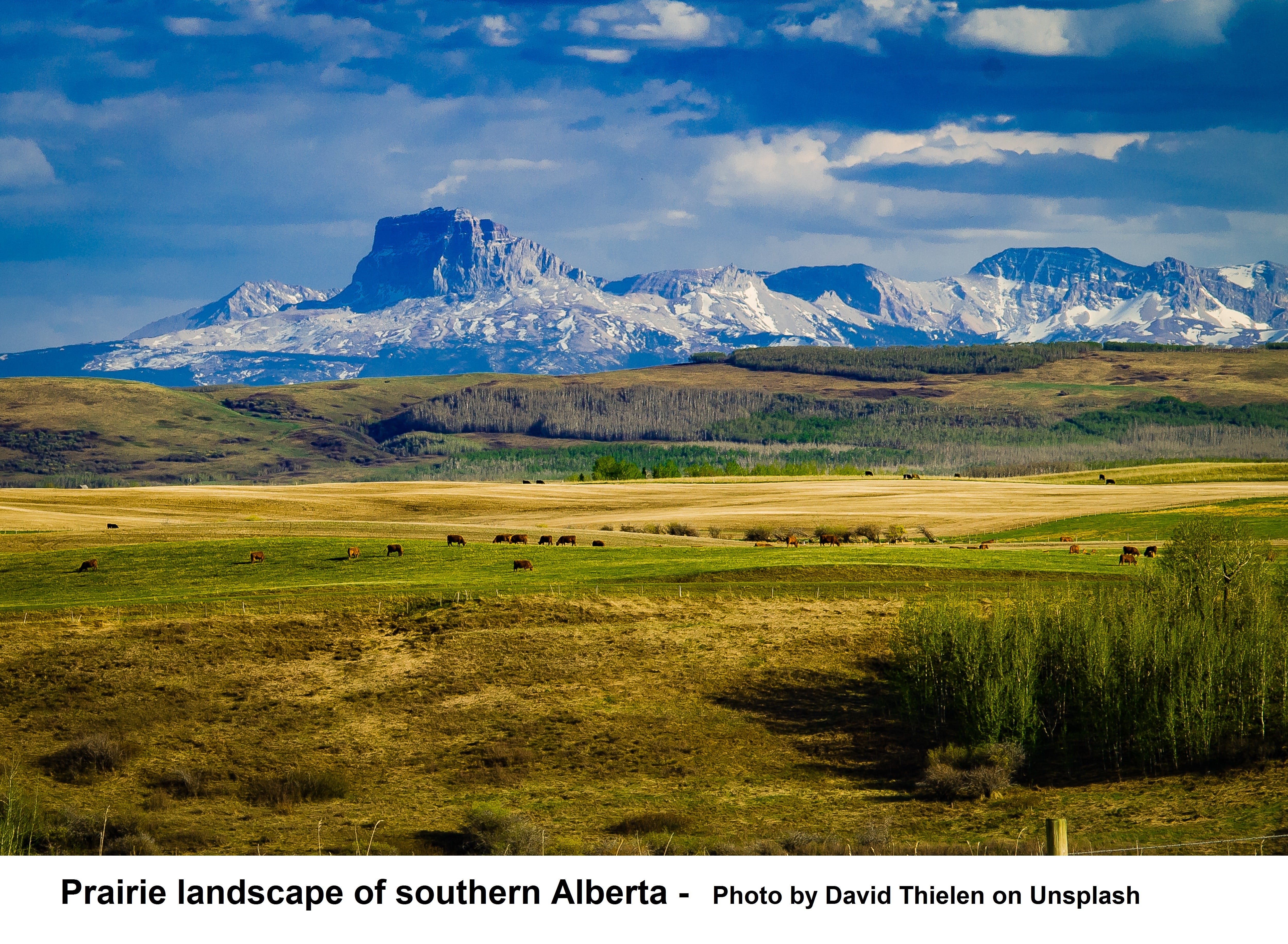
Extensive Grain Production: Large farms with low labour input, relying on mechanisation; found in prairies and steppes.
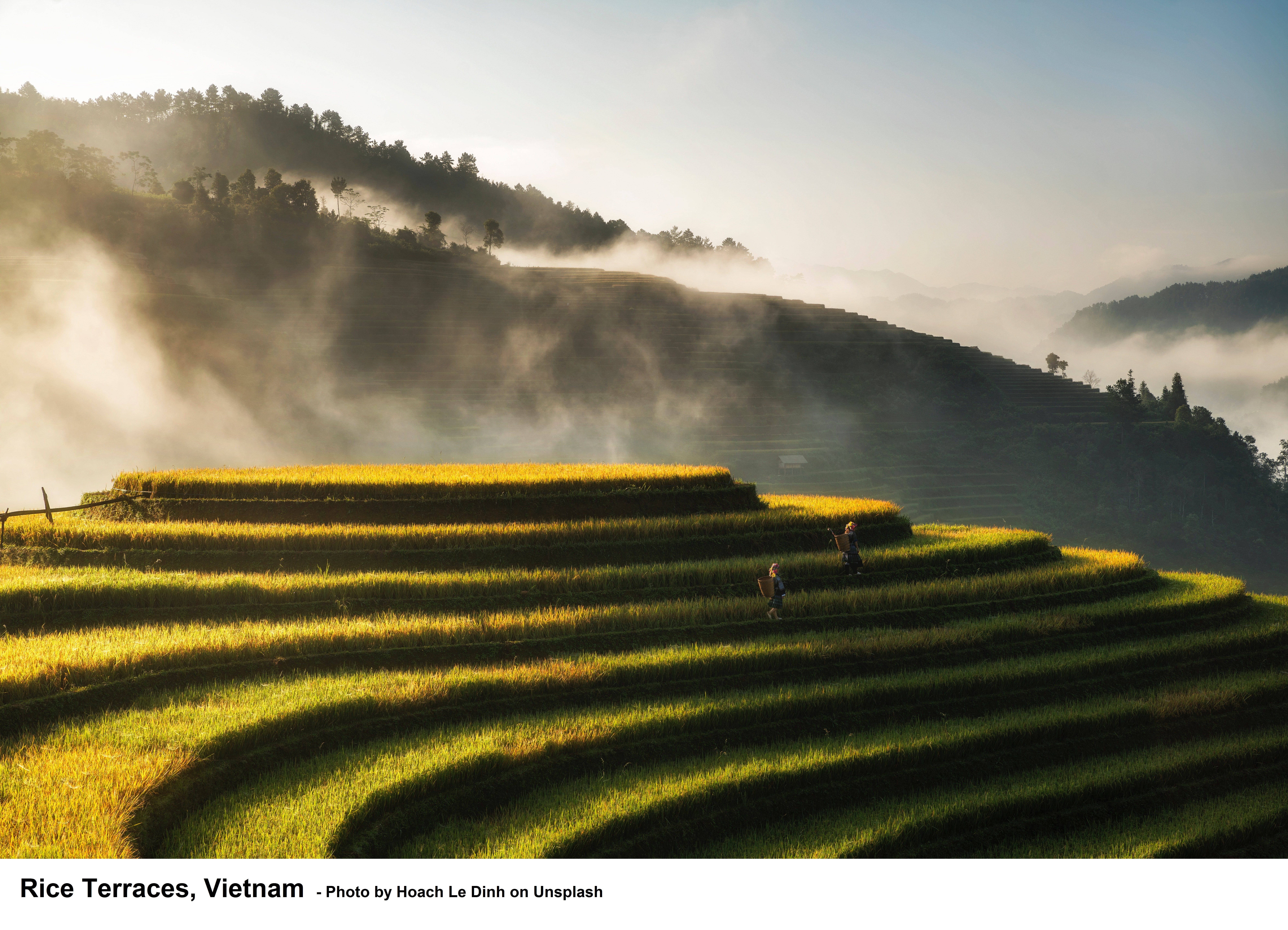
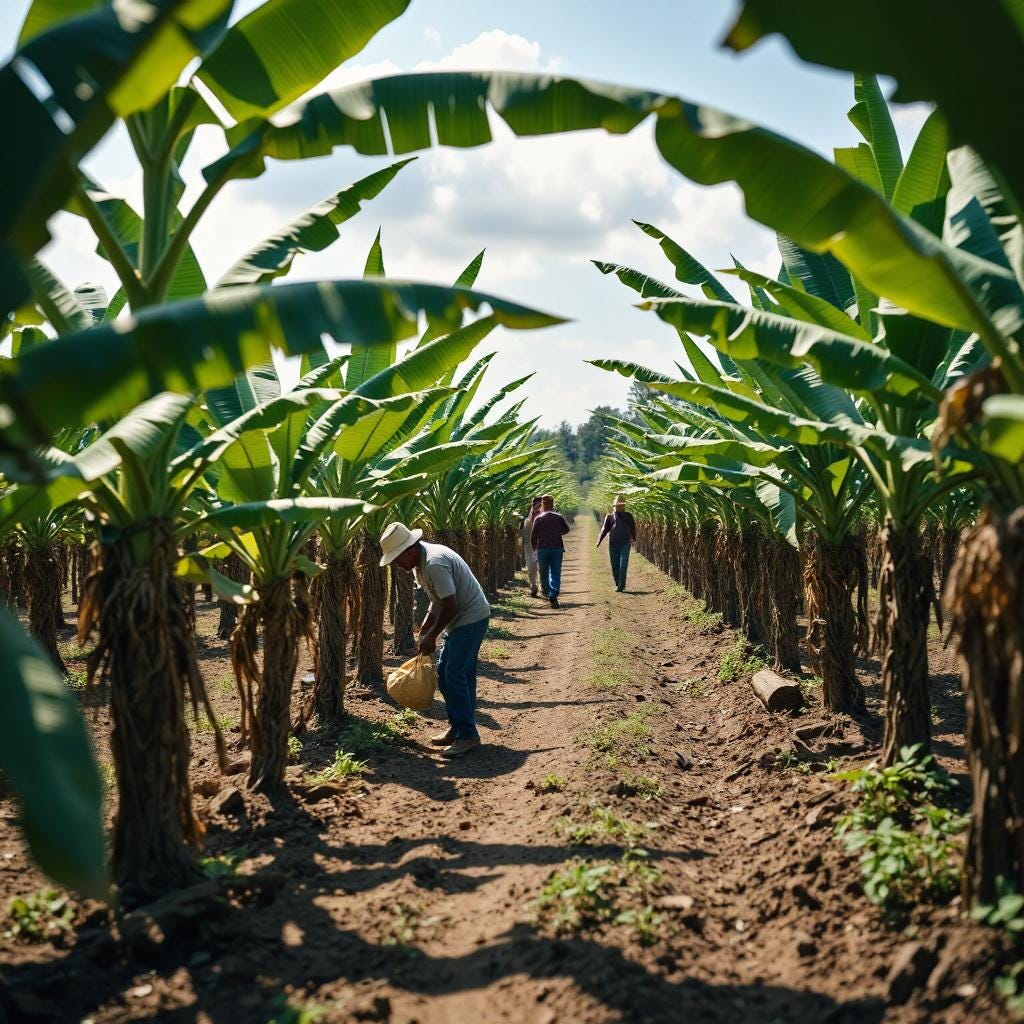
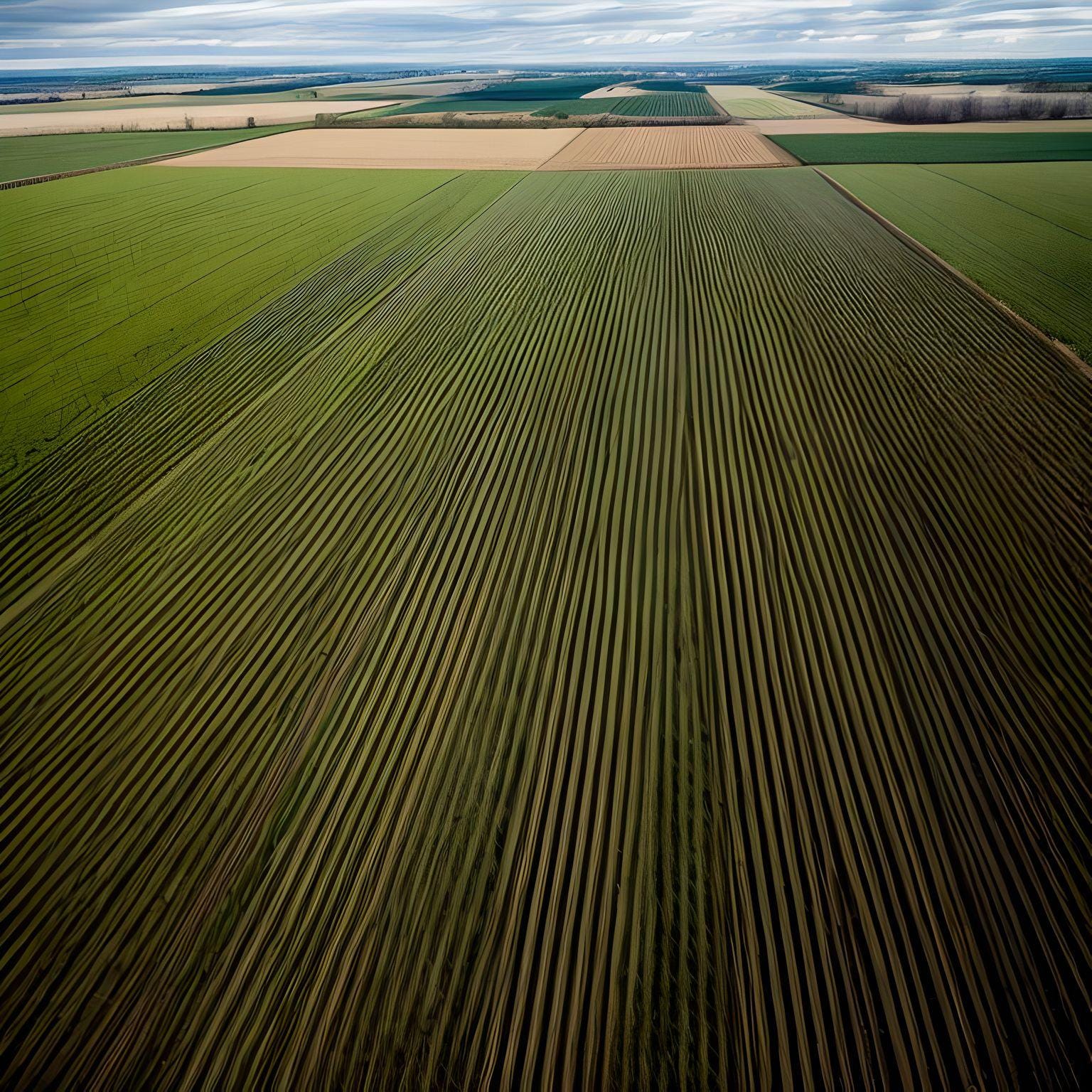
Intensive Commercial Agriculture: High capital and technology input on smaller plots, producing high yields per hectare; common in developed regions.
Mediterranean Farming: Specialised to regions with Mediterranean climates, combining cereals, fruits, and livestock.
Recent developments have introduced new systems, such as precision agriculture, hydroponics, vertical farming, and agroforestry, which leverage technology to improve efficiency and sustainability.
Factors Influencing Agricultural Distribution
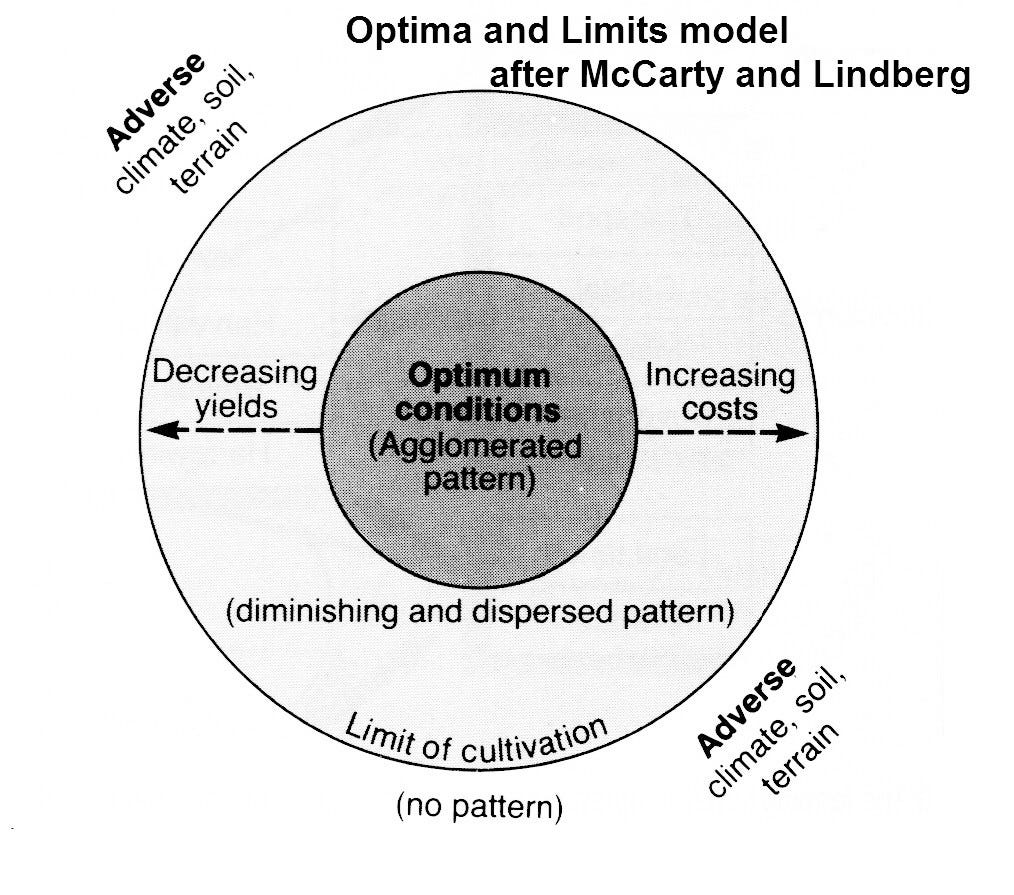
The type and distribution of agriculture are determined by a combination of physical, economic, and human (cultural) factors. Physical factors include climate, soil, topography, and water availability, which set ecological limits for crops and livestock. Economic factors—such as market access, technology, and capital—play a growing role, especially in developed economies. Human factors, including tradition, land tenure, and government policy, also shape agricultural patterns.
The optima and limits model proposed by McCarty and Lindberg (1966) suggests that each type of agriculture has an ecological optimum, with profitability declining as conditions move away from this ideal. Modern research supports the continued relevance of this model, especially as climate change and globalisation alter the viability of traditional farming systems.
The Farming System as a Process
Farming can be conceptualised as a system with three main components:
Inputs: Physical (land, water), economic (capital, technology), and human (labour, knowledge).
Processes: Activities such as ploughing, planting, irrigating, and harvesting.
Outputs: Crops and livestock, which may be for subsistence or commercial sale.
In less developed economies, physical factors often dominate, while in developed economies, economic and human factors are more influential.
Contemporary Trends and Challenges
Rural areas are experiencing significant changes due to urbanisation, technological advances, and policy shifts. Precision agriculture, smart irrigation, and biotechnology are transforming productivity and environmental impacts. At the same time, issues such as rural depopulation, land abandonment, and the sustainability of rural settlements are prominent research topics. The spatial arrangement of rural settlements is influenced by both natural factors (elevation, water access) and socio-economic dynamics (policy, infrastructure, cultural heritage).
References
Woods, M. (2011). Rural Geography: Processes, Responses and Experiences in Rural Restructuring.
Yarwood, R. (2020). Rural Geographies: People, Place and the Countryside.
Cambridge University Press. (2017). "A Hierarchical Classification of Farm Systems"
AgTech Folio3. (2025). "Understanding Types of Agriculture: Principles, Practices, & Benefits"
iSQAPER. (n.d.). "Existing classifications of farming systems"
Paniagua, A. (2025). "Geographies of Peripheral Rural Areas—Some Comments"
Scottish Government. (2025). "Trends in Rural Scotland: a working paper"
Swasya Living. (2024). "4 Modern Farming Methods of Agriculture"
vGreens. (2024). "How Modern Technologies Revolutionize Agriculture"
Sample Geography Examination Questions
Define rural geography and explain why the definition of 'rural' is often debated.
Describe three major types of agricultural systems and discuss the main factors influencing their spatial distribution.
Explain the optima and limits model in agricultural geography and assess its relevance in the context of climate change.
Compare and contrast intensive subsistence farming and extensive commercial farming in terms of inputs, processes, and outputs.
Discuss the impact of technological innovations such as precision agriculture and hydroponics on rural livelihoods and environments.
How do physical, economic, and human factors interact to determine the location and success of farming activities? Use examples.
Evaluate the challenges facing rural areas in the 21st century, including depopulation, land use change, and sustainability.
Using a systems approach, outline the main components of a farming system and discuss how these vary between developed and developing countries.
Discuss the role of government policy in shaping rural geography and agricultural systems.
If you would like to support my resources scan the QR code below and Buy me a Coffee