
Rethinking urban infrastructure
Modern versus Modest infrastructure

Today, more than half of the world’s population lives in cities. That number is still rising, and with it comes a huge question: how do cities provide the infrastructure people need to live safely, healthily, and sustainably?
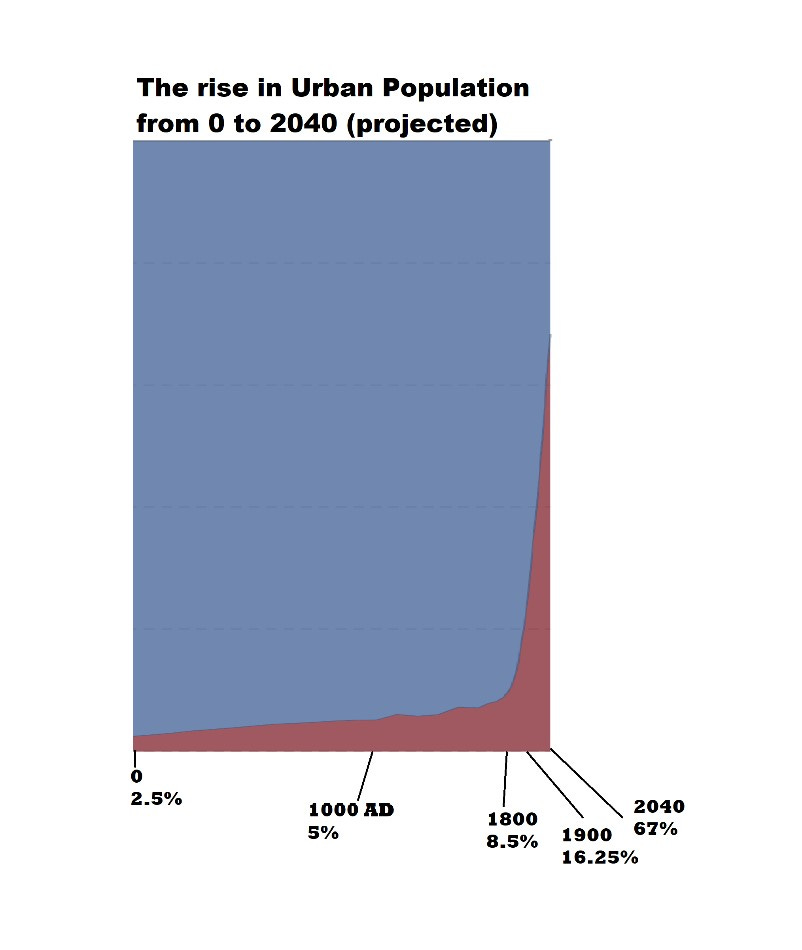
For a long time, the answer seemed obvious. Build a modern sewer system, connect homes to a grid, move waste out of the city, and process it somewhere else. It is the model many people in high-income countries know well: flush the toilet, send waste through pipes, and let a large central system deal with the rest.
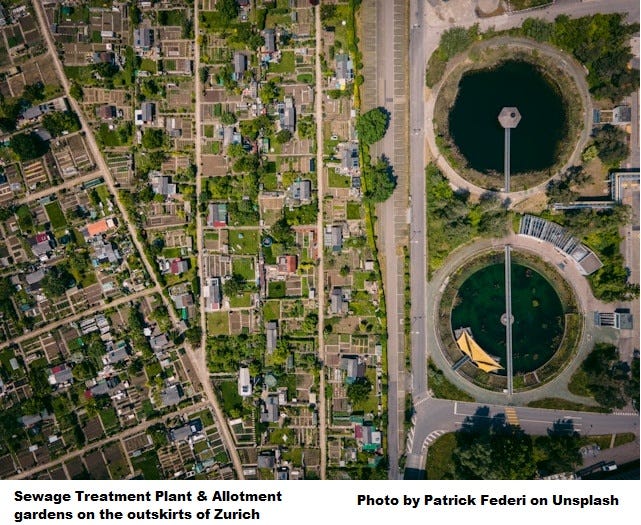
But that ideal is much harder to achieve everywhere.
The modern ideal
The modern infrastructure model was built around the idea that everyone should be connected to one large, reliable system. In theory, it sounds efficient, clean, and fair. In practice, it depends on huge investment, strong institutions, and long-term maintenance.
In many lower-income countries, that model was never fully developed. In some places, infrastructure grew unevenly under colonialism, serving only a small part of the city. Often, that meant roads, water taps, and sewer systems existed in wealthy or privileged districts, while the rest of the city was left out.
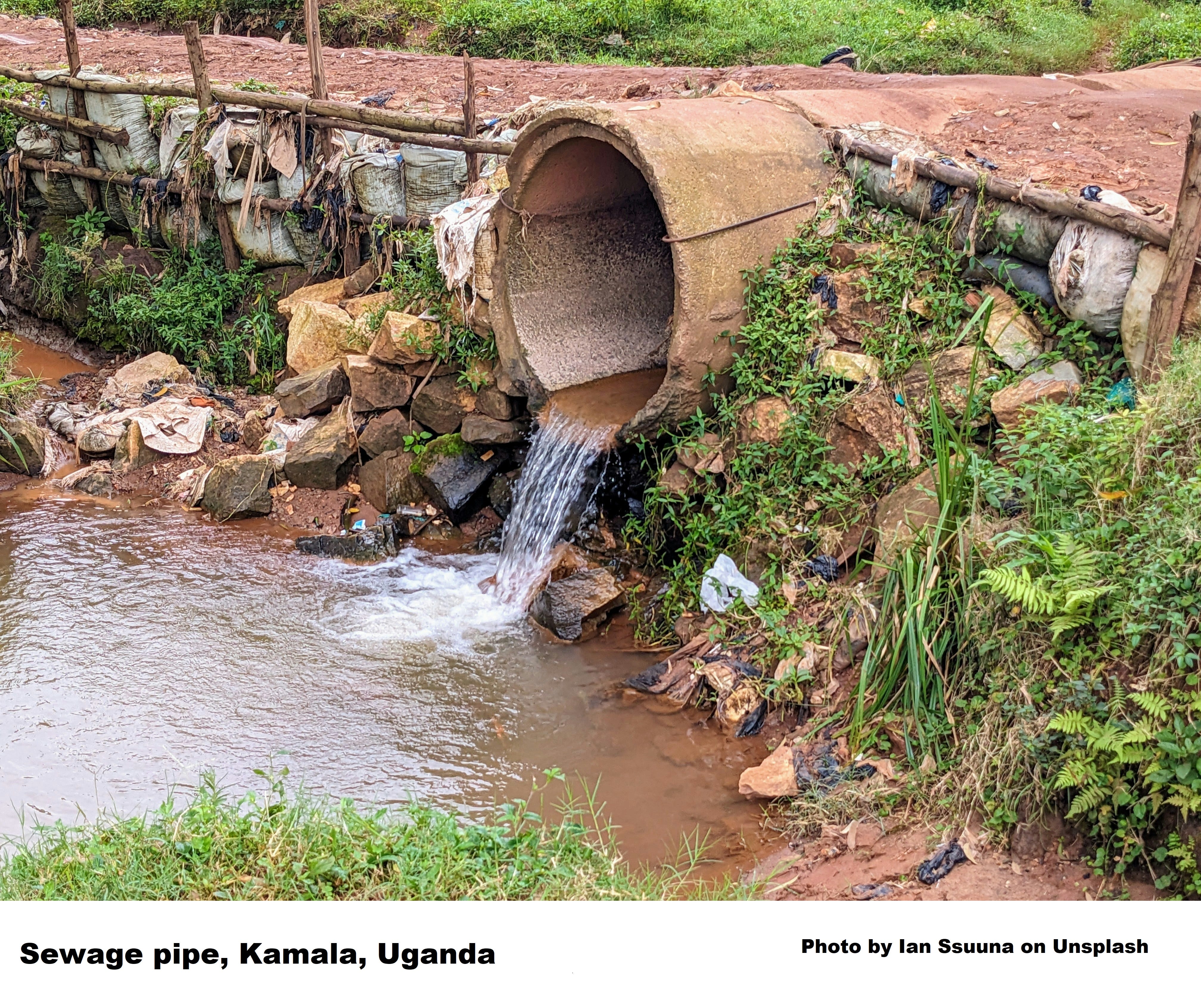
So the question becomes: if one central system does not work for everyone, what is the alternative?
A different approach
One answer is what some geographers call modest infrastructure. This is a very different way of thinking about cities.
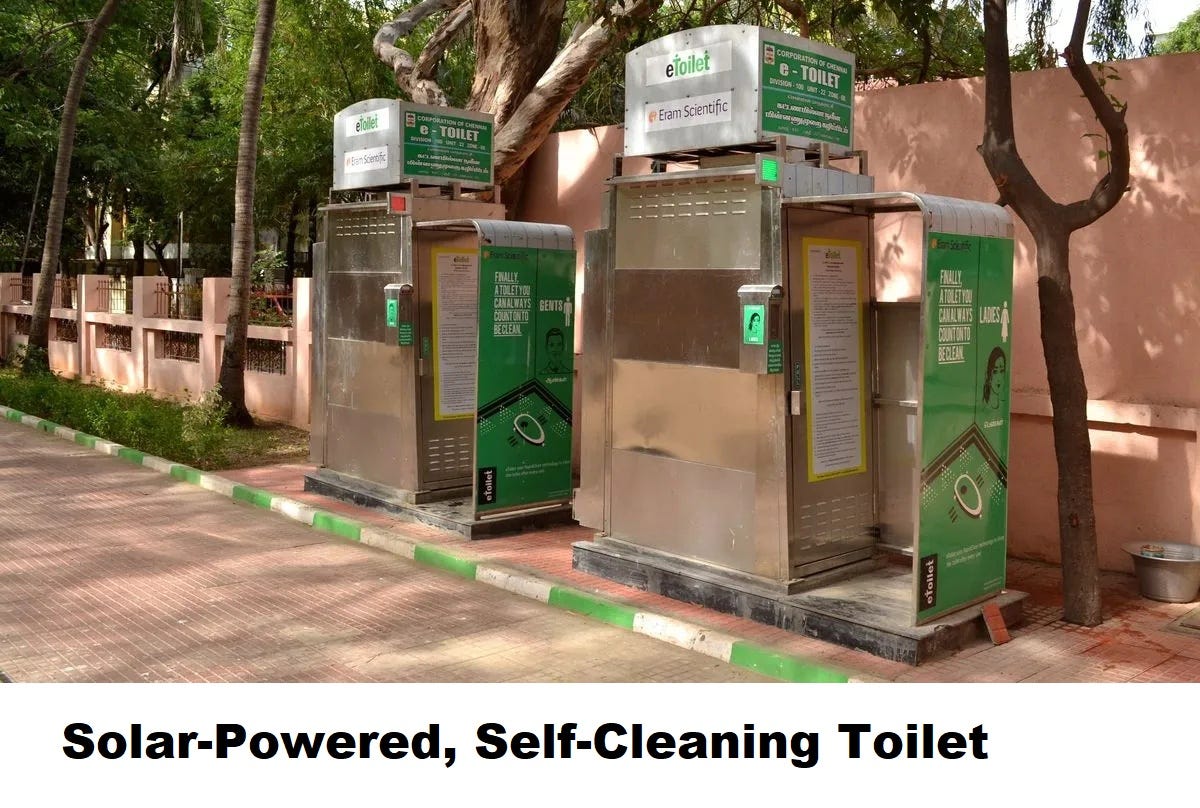
Instead of depending on one giant sewer network managed from far away, modest infrastructure uses smaller, local, and more flexible systems. Waste might be treated in a garden, turned into compost, or processed in a small facility close to where it is produced. In some cases, it may even be reused on site.
That might sound less glamorous than a citywide sewer grid, but it can be far more practical. It also changes the whole idea of what a city is supposed to do. Rather than simply removing waste, the city begins to manage it locally and even turns it into something useful.
Nairobi and urban diversity
Take Nairobi in Kenya as an example. There is no single type of sanitation system there. Instead, there are many.
Some households have flushing toilets connected to sewers. But in some cases, that waste may still end up in rivers, which solves the problem for the user but creates a new environmental problem downstream.
Other areas use bio-toilets, which capture gases produced by waste. That gas can then be used for cooking, turning human waste into a source of energy. In other places, waste is collected and composted locally, sometimes with sawdust or other materials added to help the process.
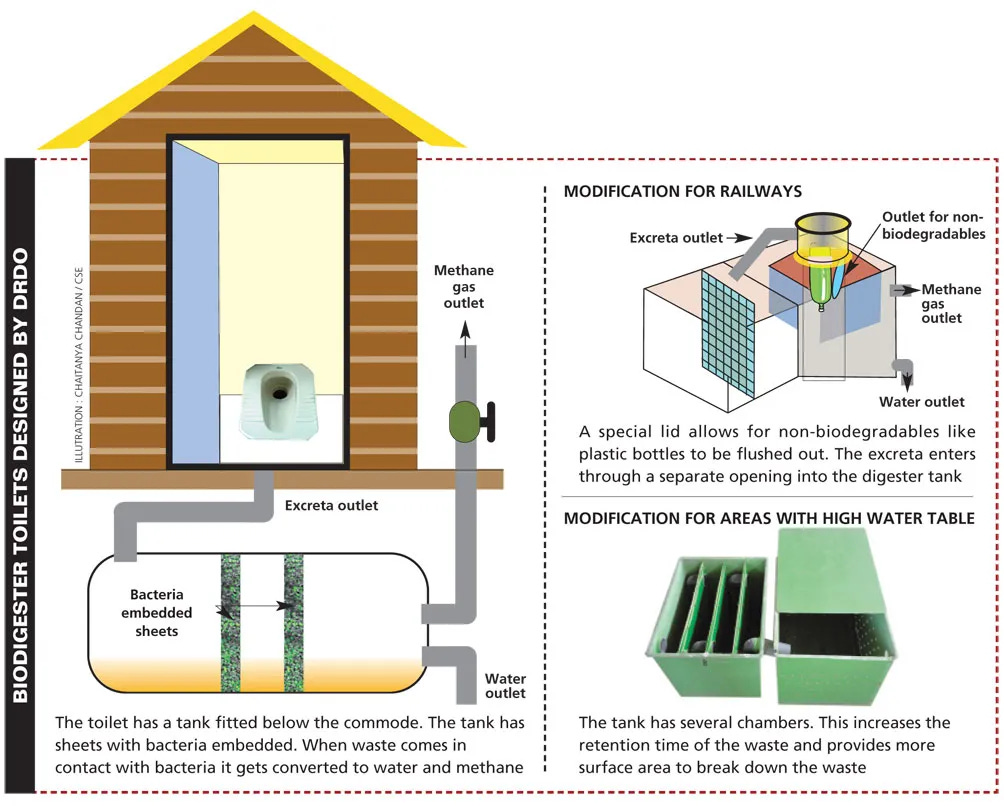
This diversity matters. It shows that there is no one-size-fits-all solution. Different neighbourhoods need different technologies, depending on cost, density, access to water, and environmental conditions.
Why local systems matter
Local systems also have another advantage: they can be more resilient in a changing climate.
Centralised sewer systems can struggle when rainfall patterns become less predictable, temperatures rise, or infrastructure becomes overloaded. But smaller systems can adapt more easily to local conditions. They do not always need the same huge network of pipes, pumps, and treatment plants.
That makes modest infrastructure not just a backup plan, but a serious way of imagining the future of urban life.
A wider lesson
And this is not only an idea for lower-income countries. Cities in places like the UK are also facing pressure from ageing infrastructure, climate change, and growing populations. The modern ideal of one vast central system is increasingly difficult to maintain everywhere.
So perhaps the lesson is this: the future city may not be one huge machine. It may be a network of smaller systems, each suited to its own place, each sharing responsibility for water, waste, and survival.
Closing
Urban infrastructure is not just about pipes, drains, and toilets. It is about how cities work, who they serve, and what kind of future we want to build.
The challenge of urbanisation is not simply to copy the modern model. It is time to rethink it.
Maybe the most sustainable city is not the one with the biggest sewer network, but the one that understands local needs, local limits, and local solutions.
Examination Style Questions
Short-answer questions
Explain why urban areas in lower income countries often struggle to provide modern sewerage systems. [4 marks]
Describe what is meant by modest infrastructure. [3 marks]
Outline two advantages of decentralised sanitation systems. [4 marks]
Explain how climate change can affect the performance of urban sewerage systems. [4 marks]
Describe one way in which waste can be reused in a local sanitation system. [3 marks]
Structured questions
Assess the extent to which modern centralised sewerage systems are suitable for rapidly growing cities in lower income countries. [9 marks]
Using an example, explain how different types of sanitation may operate within one city. [6 marks]
Explain how modest infrastructure can improve sustainability in urban areas. [6 marks]
Essay questions
Assess the view that modest infrastructure is a better response to urbanisation than modern centralised infrastructure. [20 marks]
To what extent should cities in lower income countries move away from large-scale sewer networks? [20 marks]
Command-word practice
Compare modern centralised sewerage systems with modest infrastructure. [6 marks]
Evaluate the role of local, small-scale technologies in solving urban sanitation problems. [12 marks]
Reference
Modern vs modest urban infrastructure
FEEL FREE TO BUY ME A COFFEE IF YOU LIKE MY FREE RESOURCES
or one of my inexpensive books at
Ritchie’s Books
Urban and Industrial Geography