
13 Surprising (and Geography-Relevant) Facts About the World’s Population

Population numbers can feel abstract—until you realize they shape nearly every geography topic: urbanisation, migration, development, climate pressures, economic growth, and even politics. Today the world is home to about 8 billion people, and while the pace of growth is slowing, the impact of population patterns is only getting stronger.
Here are 13 population facts that are especially useful for understanding where people live and how global change is likely to unfold.
1) Most of the world’s population lives in the Northern Hemisphere
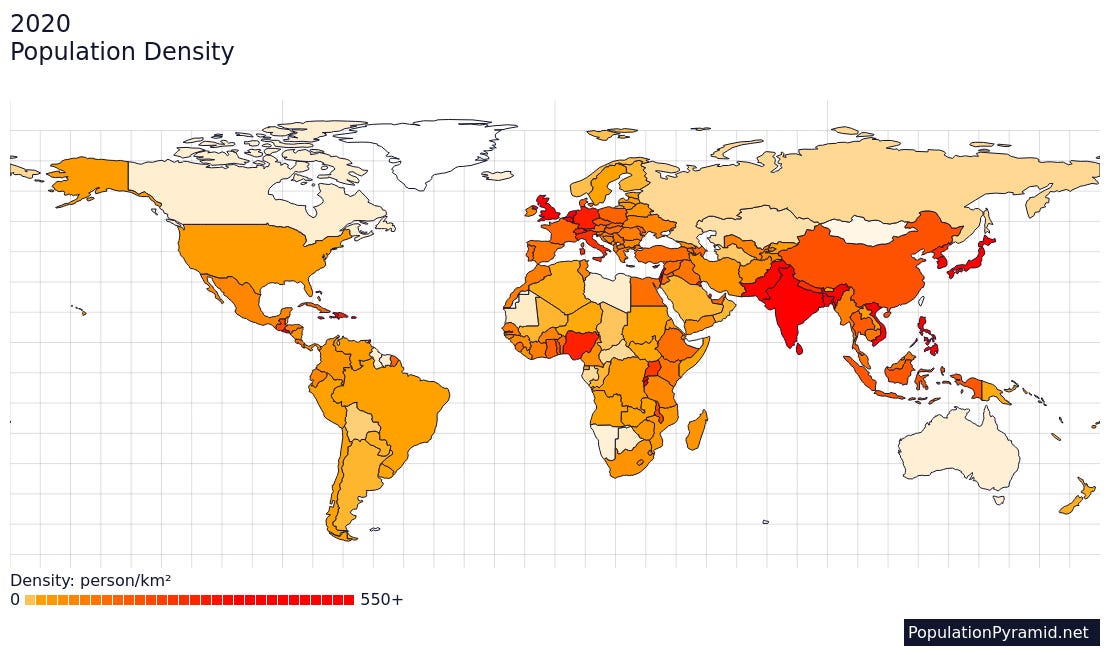
Even though the Earth’s hemispheres are equal in size, human settlement isn’t. Roughly 90% of the global population lives in the Northern Hemisphere, where there is more land area and long-established population centres.
Geography link: This helps explain why many economic and cultural “cores” (and major urban systems) are concentrated in the North.
2) Over half of humanity lives in Asia
Asia holds around 60% of the world’s population, with China and India together making up more than half of Asia’s total population.
Geography link: Asia’s population size heavily influences global migration trends, food demand, and future workforce growth.
3) Tokyo is the world’s most-populated city area
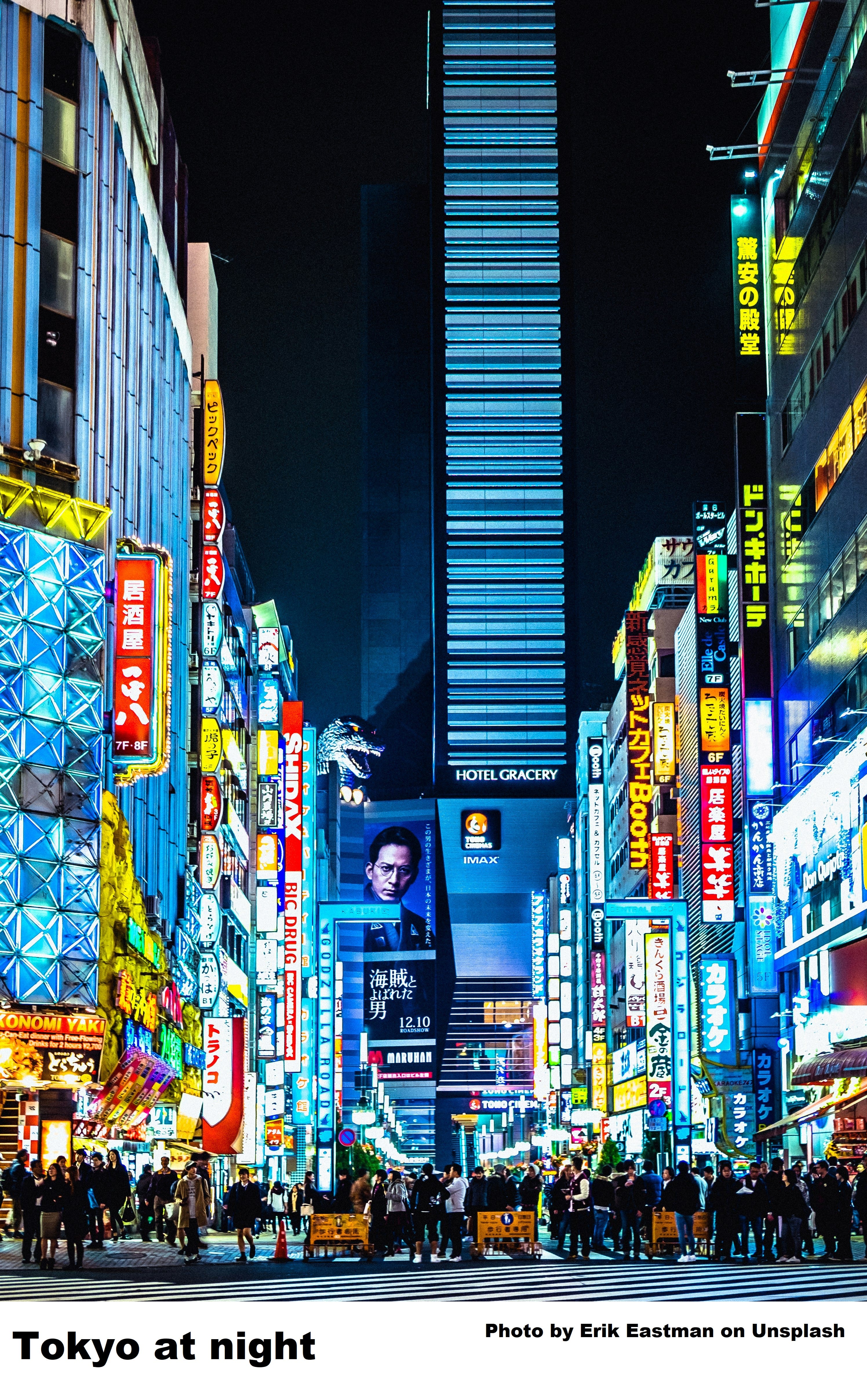
Urban geography matters because the city level is where population density, infrastructure, and land use become most visible. Greater Tokyo contains tens of millions of residents, making it one of the most populous city regions on Earth.
Geography link: This connects directly to topics like urban sprawl, housing pressure, commuting patterns, and land value.
4) Monaco has the world’s densest population (by country measures)
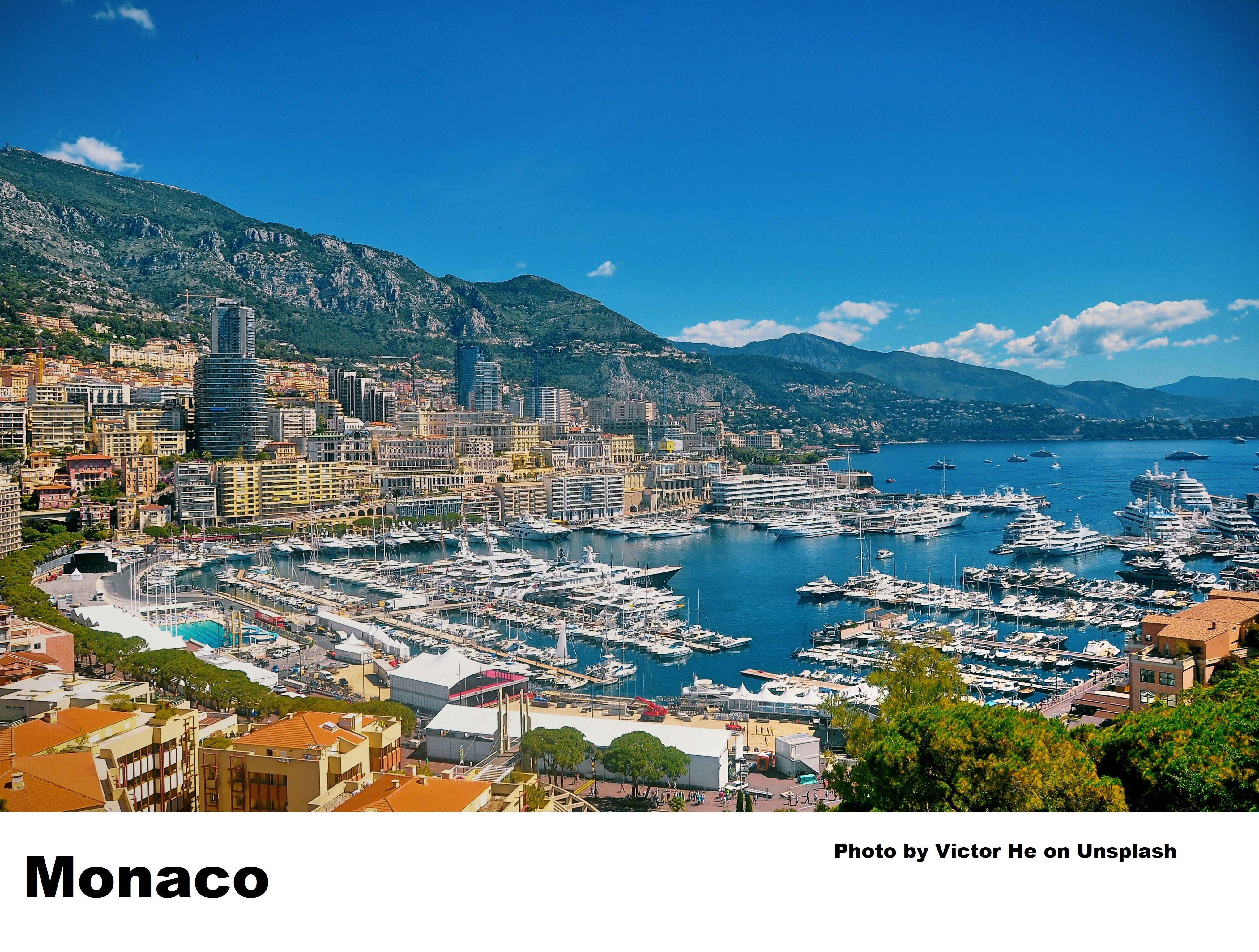
Some places are small but extremely crowded. Monaco, with its tiny land area and large residential population, is known for having extremely high population density.
Geography link: High density affects transportation, public services, land use planning, and environmental management.
5) The most-populated ZIP code in the U.S. isn’t the one you’d expect
In the United States, population concentration is not only about states or big cities—ZIP code boundaries can reveal surprising local concentrations. A top-ranked ZIP code belongs to Katy, Texas, showing how growth spreads outward in metro regions.
Geography link: This supports the idea of “functional regions,” where people live in suburbs but rely on the central city for jobs and services.
6) Indonesia’s population is concentrated on a single island
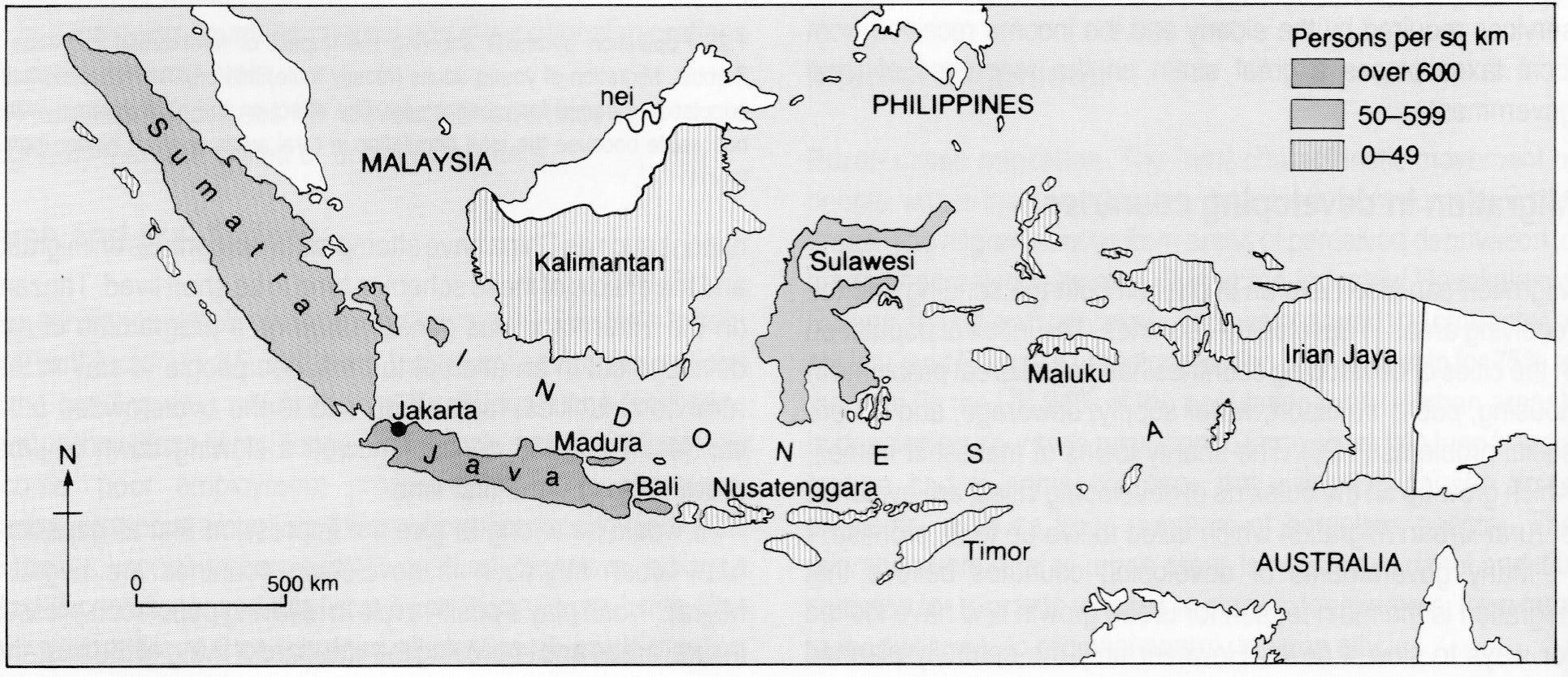
Indonesia has thousands of islands, but the population is heavily concentrated on Java—where the capital region (including Jakarta) is located.
Geography link: This is a clear example of how physical geography (islands) and economic geography (jobs, ports, government) shape population distribution.
7) Nebraska has a town with a population of one
In the U.S., some places barely register on the population map. Monowi, Nebraska is famously known for having one resident.
Geography link: This illustrates rural decline, aging populations, and how services concentrate in larger towns.
8) Nepal has a higher proportion of women than men
Nepal’s gender balance differs from many other countries, with women making up a larger share of the population. Long life expectancy differences and migration patterns (often where men work abroad) can contribute to this.
Geography link: Demographic structure affects labour markets, household patterns, and education needs.
9) Wyoming remains the least-populated U.S. state
Even as the U.S. population grows, Wyoming stays the least populated state, reflecting very low settlement density over a large land area.
Geography link: This links to “population density vs. population distribution” and to why resource-based economies often have fewer residents.
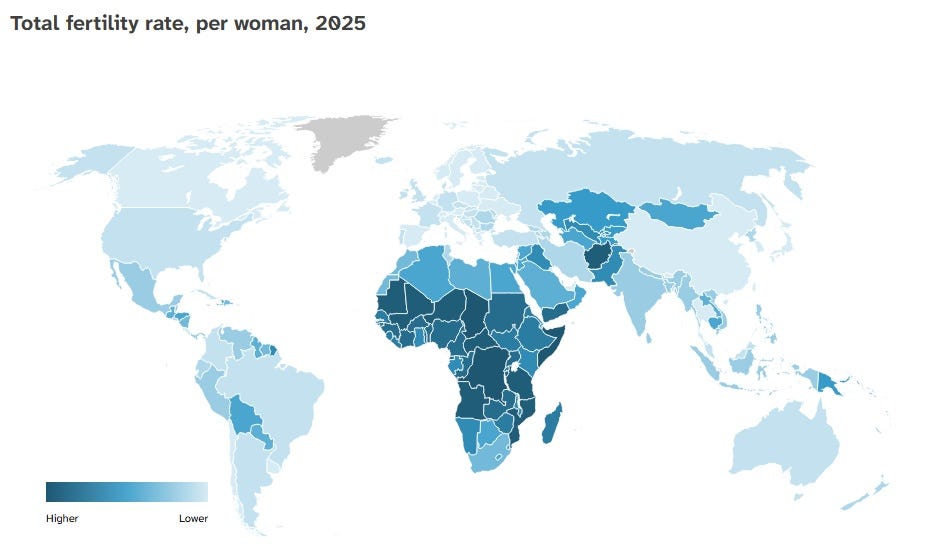
10) Niger has one of the highest birth rates and a very young population
Some countries have populations growing quickly because they have high fertility rates. Niger is widely known for extremely high birth rates, producing a population pyramid with a very young median age.
Geography link: This connects to dependency ratios, education demand, healthcare needs, and long-term development challenges.
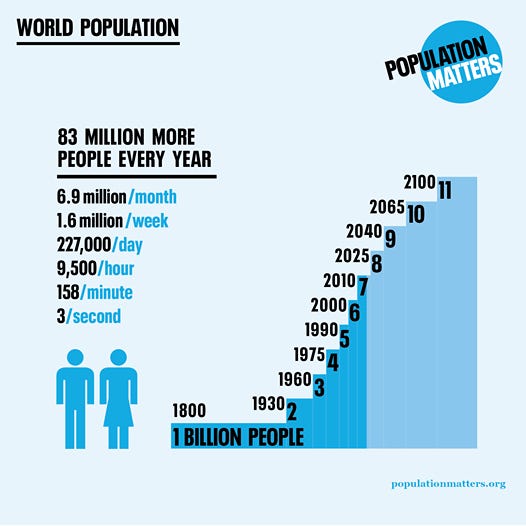
11) The world could reach close to 10 billion by 2050
Even though growth rates are declining in many places, total population is projected to keep rising for decades due to population momentum.
Geography link: Population projections help predict future pressure on land, water, food systems, and urban infrastructure.
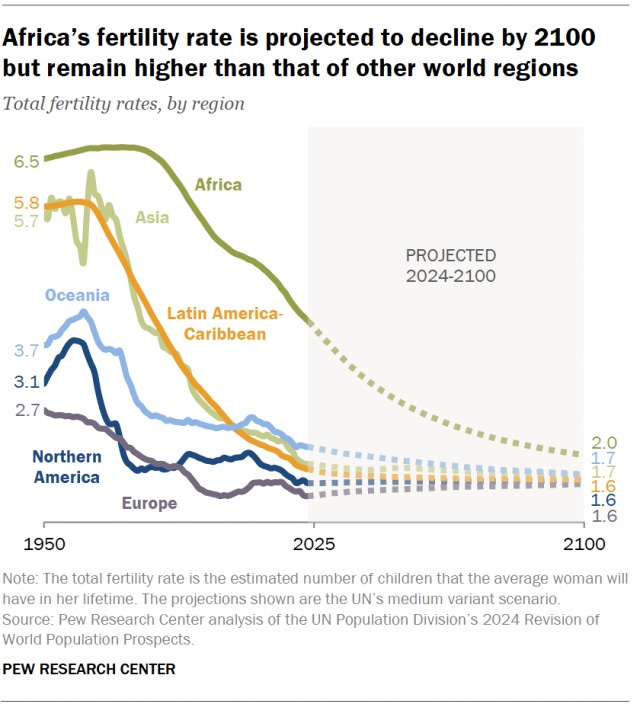
12) Global population growth is slowing—but totals keep climbing
The world grows more slowly than it did about 50–60 years ago. Fertility declines in many regions, but the absolute number of people keeps increasing.
Geography link: This is tied to the demographic transition model and explains why countries may “age” at different speeds.
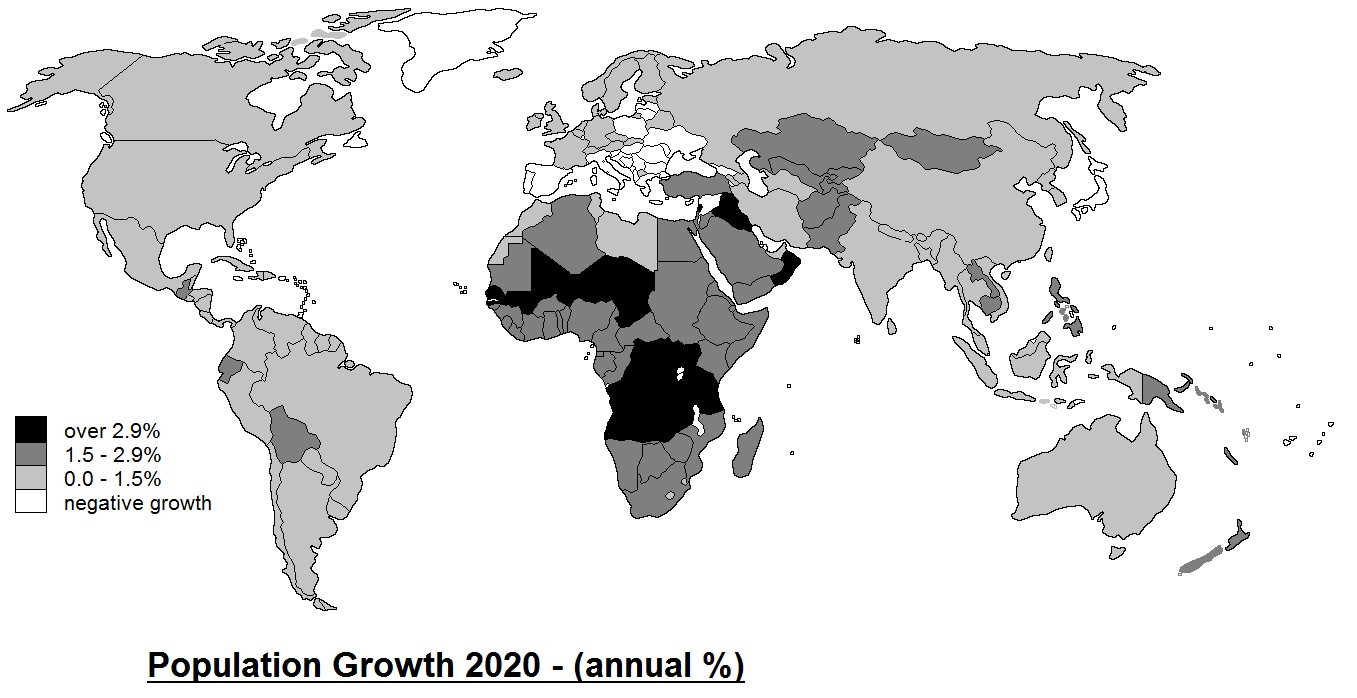
13) Most future population growth will be concentrated in a limited set of countries
Population growth is uneven. A relatively small number of countries are expected to account for a large share of growth by mid-century, meaning global challenges and opportunities will cluster geographically.
Geography link: This is why geography teachers emphasise “spatial inequality” in development—some regions face rapid growth, while others face aging and shrinkage.
Exam-Style Wrap-Up (Memorise These)
Population isn’t evenly distributed: The Northern Hemisphere contains the vast majority of people even though the hemispheres are equal in size.
One continent dominates population totals: Asia holds ~60% of the world’s population, with China and India leading.
Cities concentrate people: Major urban regions (like Tokyo) show how population density and land use intensify in metropolitan areas.
Density can be extreme in tiny places: Monaco is a classic example of very high density due to small land area and large settlement.
Future growth is uneven and predictable: Population growth is slowing overall but is expected to be concentrated in a smaller group of countries, driving regional challenges (housing, jobs, schools, healthcare) and opportunities.
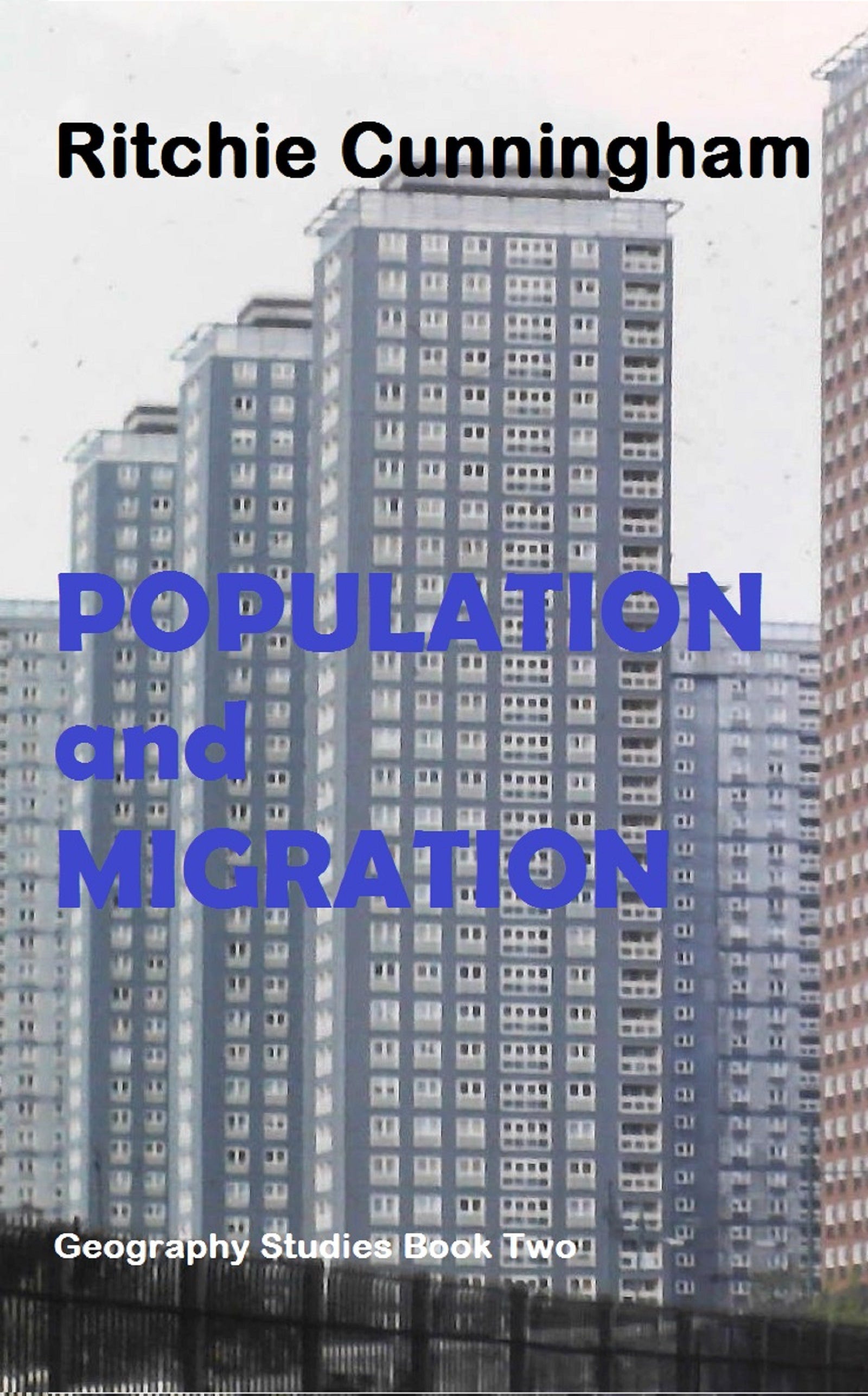
Population and Migration Book
If you would like to support my resources scan the QR code below and Buy me a Coffee